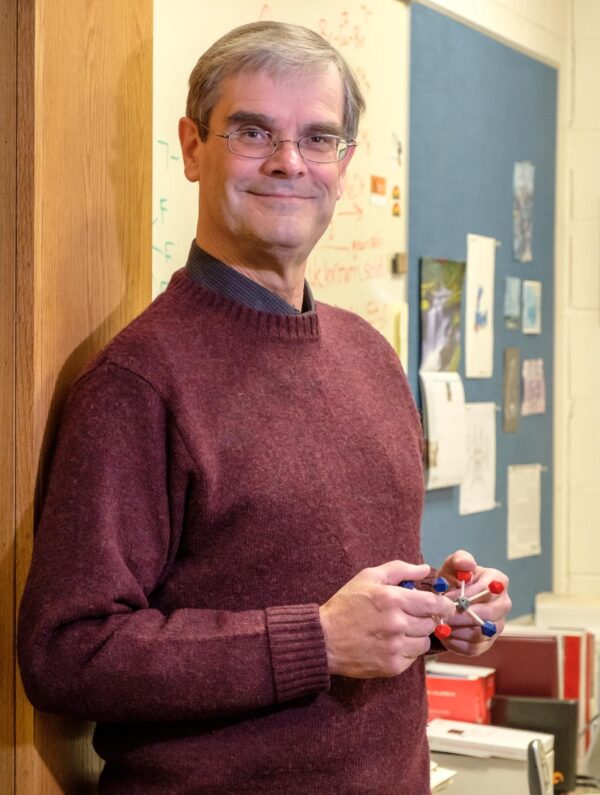
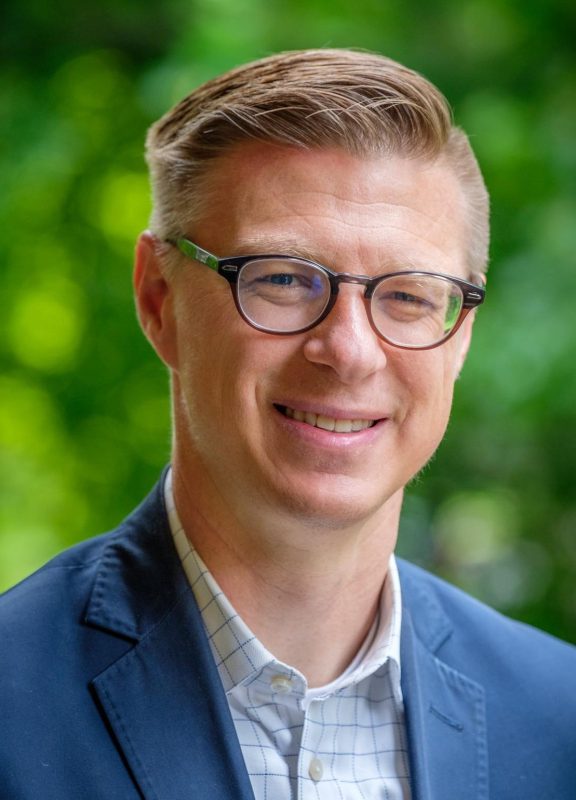
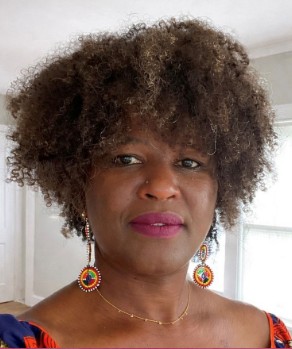
Thomas J. Smith, professor emeritus of chemistry, has died at age 77. He taught at Kalamazoo College for four decades and was highly regarded for both his scholarship and mentorship of aspiring chemists. During his tenure, he directed the Senior Integrated Projects of more than 70 students and helped build K’s reputation for exceptional undergraduate science.
He joined the faculty at K in 1978 and retired in 2018 as the Dorothy H. Heyl Professor of Chemistry. He served as a visiting scholar at Harvard University in 1988 and as a visiting professor at the Institut Le Bel, Université Louis Pasteur in France in 1995. His research centered on the synthesis and characterization of transition metal complexes exhibiting metal-metal interactions, and his publication record was extensive, including articles in the journals Inorganic Chemistry, Inorganica Chimica Acta and Polyhedron.
The importance of his research was nationally recognized, as evidenced by grant support from the National Science Foundation, the American Chemical Society and Research Corporation. Smith was an active member of the Council on Undergraduate Research, serving on its Grants and Scholarships Committee and Chemistry Fellowship Selection Committee. Through that work, he secured a three-year, $30,000 grant from Eli Lilly and Co. to support fellowships for K students in biology, chemistry and physics. He was also named a Dreyfus Teaching Fellow, an honor that came with a $5,000 grant from the Camille and Henry Dreyfus Foundation, which he used to bring a Parchment high school teacher into his lab for summer research alongside him.
His teaching and scholarship drew equal recognition at K. First-year students named him an Alpha Lambda Delta National Honor Society Favorite Teacher 13 times. He received the Florence J. Lucasse Fellowship for outstanding scholarship in 1990, along with the Dr. Winthrop S. and Lois A. Hudson Award for outstanding contributions in research.
For many alumni, his influence extended well beyond the laboratory. He had a gift for identifying students bound for graduate study, understanding their strengths and passions and setting each firmly on a path for life after K.
Professor Emeritus Tom Smith
At the time of his retirement, alumni and friends celebrated this legacy by endowing the Thomas J. Smith Student Research Fellowship in Chemistry. The effort was led by Chris Bodurow ’79 and Bob Weinstein ’79, both members of the first class Smith taught. The fellowship supports an initiative that was close to Smith’s heart: independent summer research alongside K faculty.
Smith earned a bachelor’s degree from Illinois Benedictine College and a Ph.D. from Purdue University. He was a research fellow at the California Institute of Technology from 1976 to 1978.
A memorial service will be held on October 17, 2026, from 2:30–4:30 p.m. in the Olmsted Room of Mandelle Hall at Kalamazoo College.
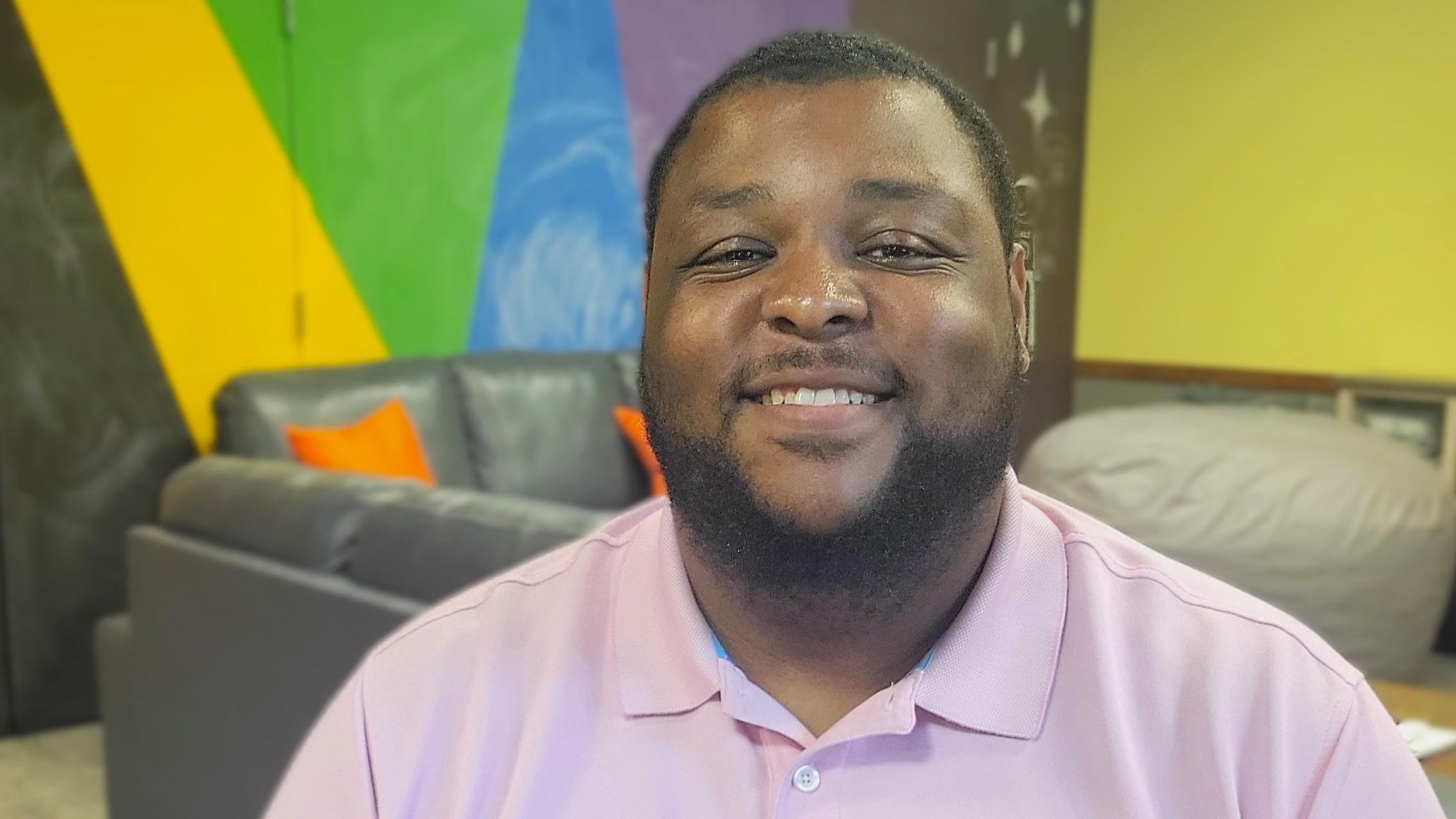
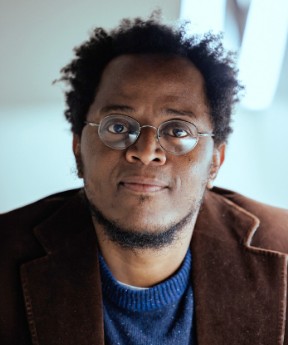
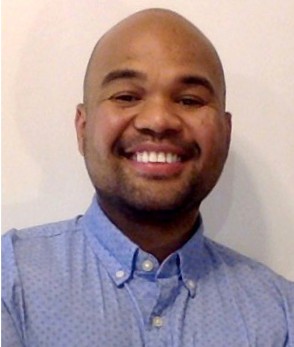
Intercultural Center Assistant Director Jordan Johnson
“Pull up!”
That’s what Jordan Johnson says when he emphasizes his open-door policy for Kalamazoo College students, especially those who aren’t quite sure where they fit in yet. As the College’s new assistant director for intercultural student life, he is looking forward to meeting students as first-year orientation begins Wednesday, September 9.
“We are cool and down-to-earth people in the Intercultural Center,” Johnson said. “Our main goal is to make sure you’re comfortable. Research says that students who feel like they belong succeed. Comfort, engagement and being able to have trust in someone is a part of that belonging, so pull up. That’s what we’re about.”
Johnson previously worked in higher education at Western Michigan University. Although he valued that experience, he was drawn to K for an opportunity to work with a smaller student population. More than anything, he wants to hear from students.
“At a larger institution, your work can get drowned out, and I wanted to come here and be effective with a smaller population,” Johnson said. “I want to use my higher education experience to make a greater impact.”
His approach to his work is informed by his own experience as a college student. Johnson was a first-generation student from Detroit. When he arrived on campus, he said he had to learn the language of higher education, understand college classroom dynamics, and adjust to expectations that differed from those he encountered in high school.
Eventually, Johnson found support from a staff member he trusted enough to ask questions and seek advice. That experience has stayed with him. Now, he wants to be that kind of person for K students, especially those who might not immediately feel that they know how to navigate college.
One of his primary responsibilities at the Intercultural Center will be supporting the success of first-generation students, partly by setting up a First-Generation Day celebration. Johnson said first-generation students are often balancing family dynamics, cultural backgrounds, and an educational environment unfamiliar to them. He wants to honor the resilience it takes to make that journey.
“We don’t just want them in the institution just for the sake of being here,” he said. “We want to celebrate and acknowledge them. Belonging doesn’t just mean that I am here and I’m just existing. I want them to say, ‘I find purpose in being here. I’m comfortable being here.’”
Johnson knows from experience that getting involved can be difficult, particularly for students who are naturally more reserved. He said he was reclusive as a college student and not especially socially engaged. But when he pushed himself beyond his comfort zone, he found friendships, relationships and opportunities that extended into his education and professional life. His advice to K students: Take the chance.
“One little step out of your comfort zone here and there can probably yield great results,” he said.
For new students, that might mean striking up a conversation at orientation or walking into the Intercultural Center for the first time. Johnson wants the center to be a place where students can build connections, find a sense of belonging, and discover opportunities to become more involved in the K community.
Student participation, he said, will be essential. He plans to continue programs that make everyone feel welcome such as Food for the Soul while also establishing a Black Male Summit and exploring partnerships with other institutions and organizations to expand programming available to K students.
The invitation to participate extends to everyone, and especially to students who might feel as though they are the only person on campus with their specific background. Getting involved is a part of the college experience.
“We pay to be here,” Johnson said. “We pay to be in college. It’s an investment. Make the most out of it.”
Johnson believes every person has a unique story, and he wants the Intercultural Center to be a place where students can show up as themselves, find people who will listen and discover opportunities to build community. Johnson also appreciates conversations across cultures. And rather than expecting people to become experts on someone else’s culture, he encourages students to practice cultural humility. In other words, he wants students to approach each other as learners.
With first-year orientation just days away, Johnson is ready to start listening.
“When you talk about Jordan Johnson—or JoJo, as a lot of people like to call me—I am a fan of originality,” he said. “I love authenticity. I encourage people to be themselves at all times. Be yourself, man. As long as you are being true to yourself, I’m here for it. Pull up!”
Kalamazoo College is welcoming two new tenure-track and seven visiting faculty members this academic year, expanding opportunities for students to study neuroscience, molecular biology, contemporary interdisciplinary art practices, English, chemistry, art history, history, economics and business, and biology.
New faculty include:
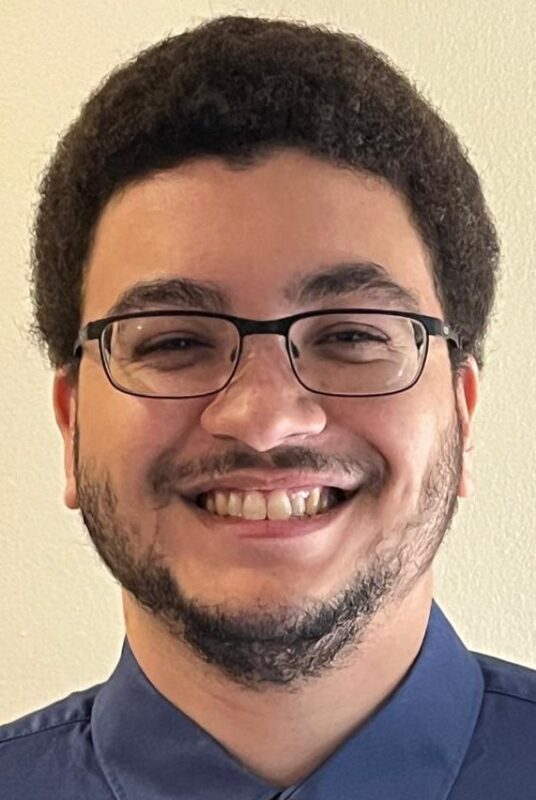
Quinlan Doctrove Assistant Professorof Biology
Doctrove studies the molecular and cellular mechanisms underlying neurological disease.
At the University of Michigan, Doctrove conducted doctoral research in neuroscience in Miriam Meisler’s laboratory in the Department of Human Genetics. His research included investigating genetic mutations associated with neurodegenerative disease and developing potential therapeutic approaches for FIG4 deficiency, a genetic disorder that affects lysosomal function.
Doctrove earned a bachelor’s degree in biochemistry, with a minor in psychology, from the University of Michigan-Dearborn in 2019. As an undergraduate, he researched riboflavin-binding proteins and helped develop a riboflavin deficiency assay.
He also has experience teaching and mentoring students. At Michigan, Doctrove served as a teaching assistant for undergraduate molecular and cellular biology laboratory courses and a graduate-level human anatomy laboratory course. He also mentored undergraduate researchers and participated in programs that introduced high school and middle school students to genetics, neuroscience and hands-on scientific investigation.
Quinlan Doctrove
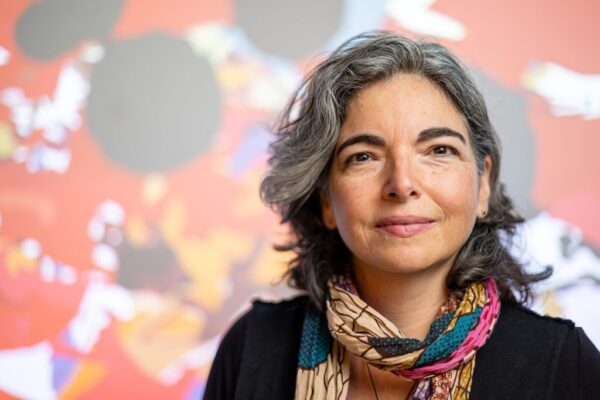
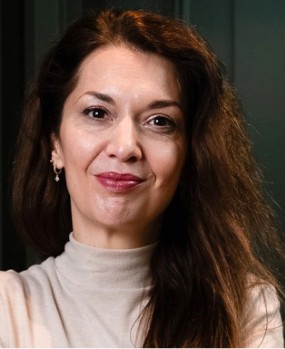
Nayda Collazo-Llorens Assistant Professor of Art and Art History
Collazo-Llorens is an artist whose work explores mapping, memory, place, movement and dislocation through printmaking, drawing, painting, digital media, video and installation. She has taught at K for more than a decade through a series of part-time and full-time appointments. Most recently, she served as a full-time visiting assistant professor during the 2025–26 academic year.
Collazo-Llorens earned an M.F.A. in studio art from New York University in 2002 and a B.F.A., with distinction in printmaking and graphic design, from Massachusetts College of Art and Design in 1990. Her recent individual exhibitions include “expand blur collapse” at El Schomburg Espacio de Arte Interdisciplinario in Chicago and “Topografía extendida” at the Museo de Arte de Puerto Rico in San Juan. Her work has also been exhibited at the University of Michigan’s Stamps Gallery, the Arts Council of Greater Kalamazoo, the Kalamazoo Institute of Arts, and venues in New York, Miami and other national and international locations. Her work is featured in the books Vaivén: 21st-Century Art of Puerto Rico and Its Diaspora (University of Minnesota Press) and Relational Undercurrents: Contemporary Art of the Caribbean Archipelago (Duke University Press).
Nayda Collazo-Llorens
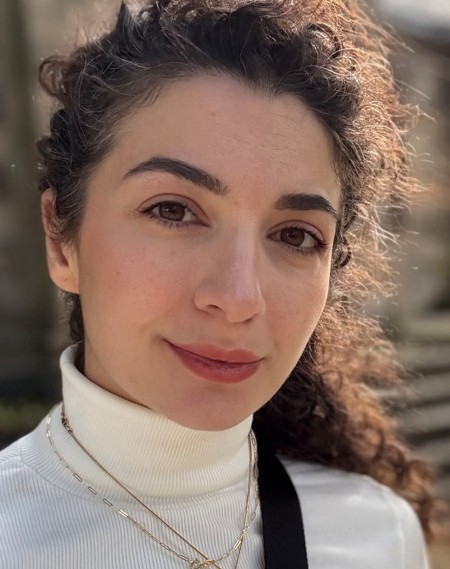
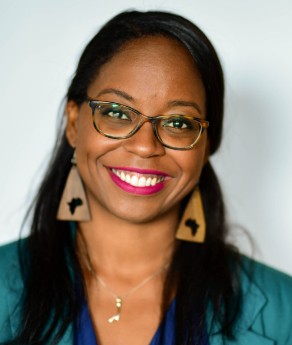
Ani Bezirdzhyan Visiting Assistant Professor of English
Bezirdzhyan has taught a range of courses in English, comparative literature, and communications and media since earning a Ph.D. in English language and literature from the University of Michigan in 2024.
She served as a Frederick Donald Sober Postdoctoral Fellow at Michigan in 2024–25. Her research and professional experience also include work with the University of Michigan Museum of Art, University of Michigan Press, and several digital humanities and archival projects. Her scholarly interests include Victorian literature and culture, visual culture, media history and digital humanities.
Ani Bezirdzhyan
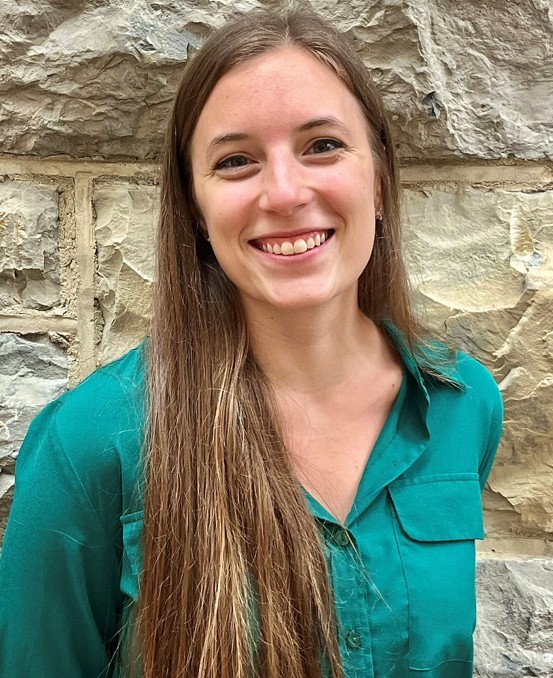
Rose Campbell Visiting Assistant Professor of Chemistry
Campbell is a chemist and educator whose teaching experience includes lecture and lab courses in general, and organic, and biochemistry, chemical biology, and laboratory science at Virginia Tech University. She has served as an instructor, guest lecturer, and teaching assistant, as well as a mentor to undergraduate researchers. She holds a bachelor’s degree and a Ph.D. from Virginia Tech.
Campbell’s research, supported in part by the National Science Foundation Graduate Research Fellowship, focusesd on discovery and characterization of natural products and bioactive molecules, including compounds produced by marine microorganisms, with applications in understanding disease and discovering potential therapeutic compounds. Campbell has published her research in several peer-reviewed journals and presented her work at national scientific conferences and symposia.
Rose Campbell
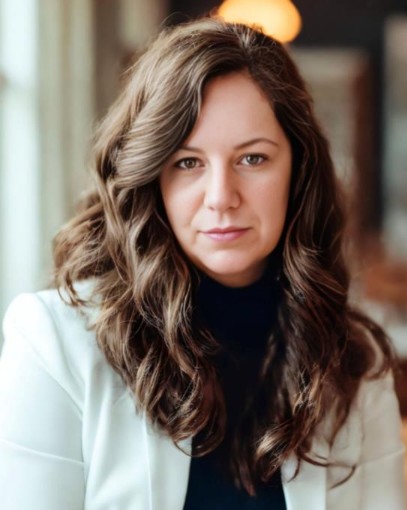
Crystal Rosenthal Visiting Assistant Professor of Classics
Rosenthal is a scholar of ancient Roman art and archaeology who earned her bachelor’s degree in classics from Colorado College, a master’s degree in classical antiquity from the University of Colorado Boulder and a PhD in art history and archaeology from the University of Texas at Austin. From 2024-2025, Crystal was the Arthur Ross Rome Prize Fellow in Ancient Studies at the American Academy in Rome.
In addition to her research, Rosenthal has extensive teaching experience, most recently as a visiting assistant teaching professor at Southern Methodist University, where she taught courses on Roman history, Latin literature, Greek Myth and Pompeii. She has also taught at the University of Texas at Austin, Indiana University Indianapolis and the University of Texas at Arlington and spent several years as a Latin teacher and department chair at The Episcopal School of Dallas.
Crystal Rosenthal
Alyssa VanHaitsma Kotva Visiting Assistant Professor of History
VanHaitsma Kotva is a historian of the late ancient and medieval Mediterranean. She holds a PhD (2025) and MA (2020) in history from Ohio State University. She also holds a bachelor’s degree in history and classics from Calvin University. Her research is focused on the religious, cultural, social, and environmental history of the early medieval Mediterranean region.
Kotva has previously taught courses in ancient and medieval history at Ohio Wesleyan University and Ohio State University. She has also worked as first as editorial assistant and then as managing editor for the journal Studies in Late Antiquity, published by the University of California Press.
Alyssa VanHaitsma Kotva
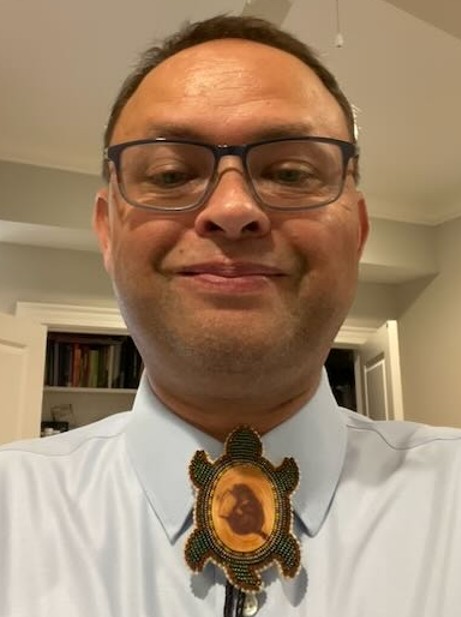
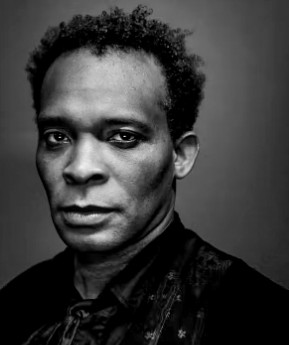
Larry Chavis Visiting Assistant Professor of Economics
Chavis, a member of the Lumbee Tribe of North Carolina, joined the Department of Economics and Business at K as a visiting assistant professor in January. He teaches courses including intermediate macroeconomics and international development, with a focus on Indigenous issues.
He brings 18 years of experience from the University of North Carolina’s Kenan-Flagler Business School, where he rose from assistant professor to clinical professor and earned five teaching awards, including two MBA@UNC Teaching Excellence Awards. He holds a Ph.D. in economic analysis and policy from Stanford University’s Graduate School of Business, along with graduate degrees in applied economics and Asian studies from Cornell University and a B.A. in anthropology from Duke University. He also recently completed an M.F.A. in creative writing from the Institute of American Indian Arts.
Chavis was inducted into UNC’s Order of the Golden Fleece, the university’s oldest honor society, in 2021. He has also been a frequent commentator in national media on topics including consumer boycotts and Native American economic issues, with appearances on NPR, CNN and in the Financial Times. He is currently working on a memoir, Walking in Two Worlds: An Indigenous Scholar Seeks Belonging in the Academy, reflecting on his path from a mobile home in one of the nation’s poorest counties to navigating a career in academia.
Larry Chavis
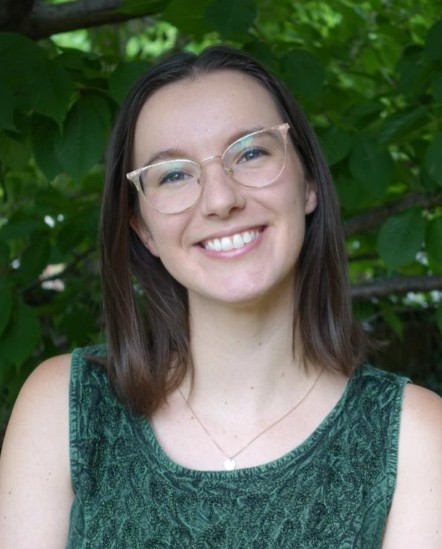
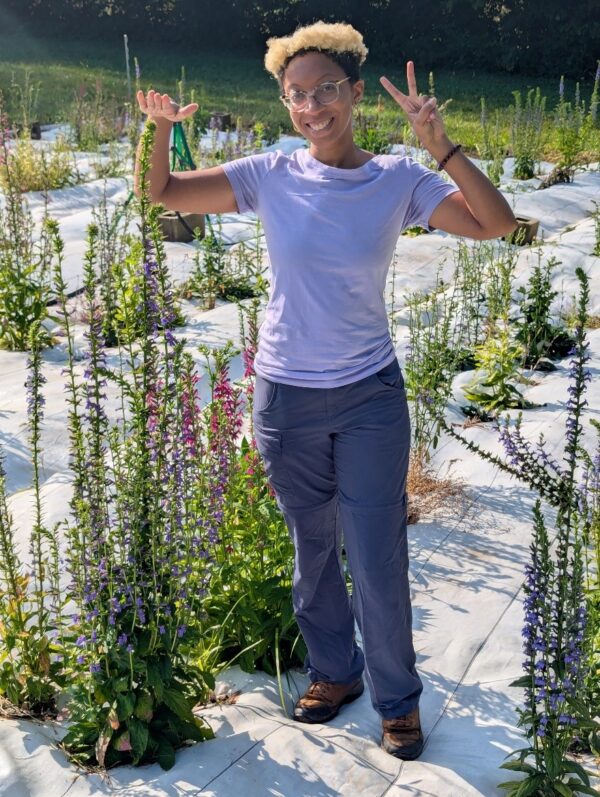
Cierra Sullivan Visiting Assistant Professor of Biology
Sullivan brings expertise in evolutionary plant ecophysiology to K. She most recently served as a postdoctoral research associate at Michigan State University, where she investigated climate niche restrictions and species co-occurrence patterns among Lobelia species across common gardens in three states.
She earned her Ph.D. in evolutionary plant ecophysiology from Clemson University in 2024, with a dissertation examining the adaptive potential of leaf variegation in dimorphic Hexastylis plant species. She also holds a bachelor’s degree in organismal biology from Christopher Newport University.
Sullivan’s work has been supported by a National Science Foundation Graduate Research Fellowship and the Clemson University Graduate Diversity Fellowship Program. She received the LICOR Prize for Best Student Oral Presentation from the Botanical Society of America in 2024.
Cierra Sullivan
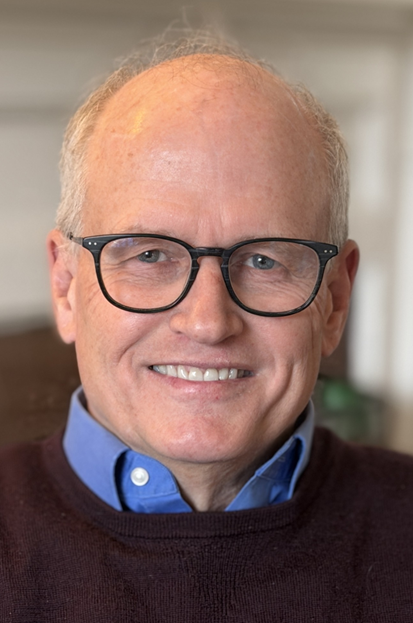
Doug Johnson Visiting Assistant Professor of Business
Johnson is a scholar of business strategy and organization with three decades of experience in academia. He earned his Ph.D. in management from the Anderson Graduate School of Management at UCLA in 1996, along with a bachelor’s degree in economics and mathematics from Wabash College.
Most recently, Johnson served as associate professor and McIntyre Chair in Business and Economics at Hillsdale College from 2016–25, after earlier faculty appointments at Ball State University, Purdue University’s Krannert Graduate School of Management and the University of Illinois at Urbana-Champaign.
At Hillsdale College, Johnson co-founded the Center for Commerce and Freedom, a research and public outreach center. His research focuses on strategic management, organizational learning, and firm performance.
Kalamazoo College has named Dominique Somda and Taylor Petrey to endowed professorships, recognizing their outstanding scholarship, teaching and service to the institution. These distinguished positions are supported by earnings from endowments established through gifts to the College.
“Endowed professorships are vital to Kalamazoo College because they provide lasting support for the faculty members whose teaching and mentorship are at the heart of a liberal arts education,” Provost Danette Ifert Johnson said. “Dominique and Taylor bring extraordinary scholarship and a deep commitment to everything they do as professionals.”
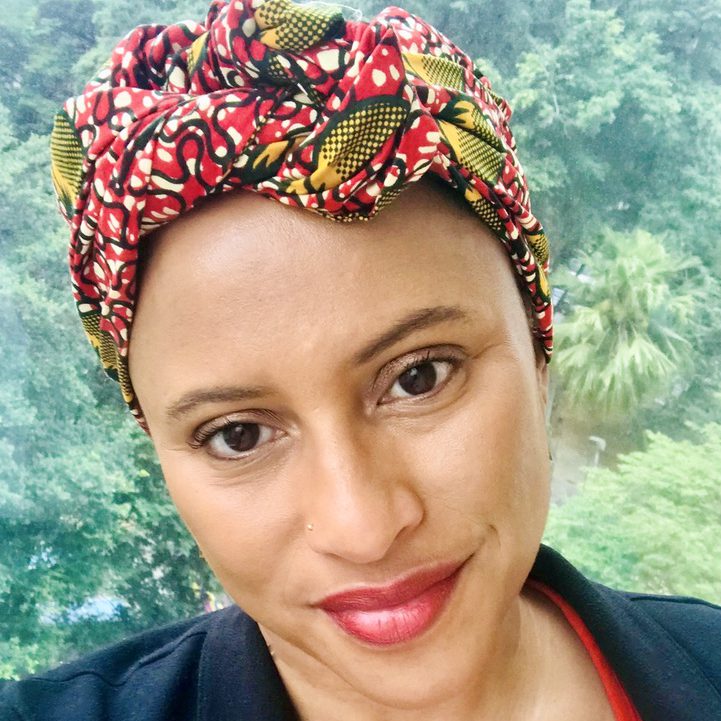
Dominique Somda, Lucinda Hinsdale Stone Professor of African Studies
Somda’s research explores questions of power, social hierarchy, and ethics through anthropology. Her work examines the enduring legacies of slavery, Christianity and Lutheran missions, gender and the religious ethics of healthcare technologies within Madagascar ‘s postcolonial context and in conversation with feminist studies. Under her leadership, K re-established the African studies concentration in 2024. She also co-convenes Africa Month, an annual public celebration that brings world-renowned scholars, artists, filmmakers and performers to K.
Somda joined K in 2024 from the Institute for Humanities in Africa (HUMA) at the University of Cape Town in South Africa, where she was a research fellow. Her academic career also has included visiting professorships in the Department of Anthropology at Reed College and in the Department of Anthropology and Center for Africana Studies at the University of Pennsylvania. She previously served as a postdoctoral fellow at the London School of Economics and at the Maison des Sciences de l’Homme in Paris.
Beyond K, Somda contributes to the field of African studies through her professional service. She is an associate editor of the Canadian Journal of African Studies and serves on the board of the Canadian Association of African Studies. She received her Ph.D. from the Laboratoire d’Ethnologie et de Sociologie Comparative at the University of Paris Nanterre and holds two master’s degrees from the University of Paris Nanterre and the University Clermont Auvergne.
Dominique Somda
Taylor Petrey, Ann V. and Donald R. Parfet Distinguished Professor of Religion
Petrey teaches courses on the Bible and biblical interpretation, early Christianity, ancient Judaism, and theory and method in the study of religion. His research focuses on gender and sexuality in religion, especially in ancient Christianity and Mormonism. He is often interviewed by publications such as the Salt Lake Tribune, the Washington Post, the New York Times and the Detroit News.
Petrey is the author of Queering Kinship in the Mormon Cosmos (2024), Tabernacles of Clay: Sexuality and Gender in Modern Mormonism (2020) and Resurrecting Parts: Early Christians on Desire, Reproduction and Sexual Difference (2015). His work has been published in academic journals such as Religion and American Culture, Harvard Theological Review and the Journal of Early Christian Studies.
Since joining K in 2010, he has served as chair of the religion department; director of women, gender and sexuality; and chair of the faculty executive committee. Petrey also was a research associate and visiting associate professor at Harvard Divinity School in the 2016–17 academic year. He earned his bachelor’s at Pace University and his Th.D. and MTS from Harvard Divinity School.
Ten recent Kalamazoo College graduates and one faculty member will pursue global opportunities during the 2026–27 academic year, earning Fulbright awards or selection to the Teaching Assistant Program in France (TAPIF).
Fulbright Recipients
Noah Chun ’26, Molly Stevison ’26, Mary Muenzenmaier ’26, Elizabeth Muenzenmaier ’26, Kelley Akerley ’24 and Kaleb (Kai) Sydloski ’23 will be participating in the U.S. Teaching Assistantship (USTA) Program in Austria. The USTA Program is administered by Fulbright Austria on behalf of the Austrian Federal Ministry of Education.
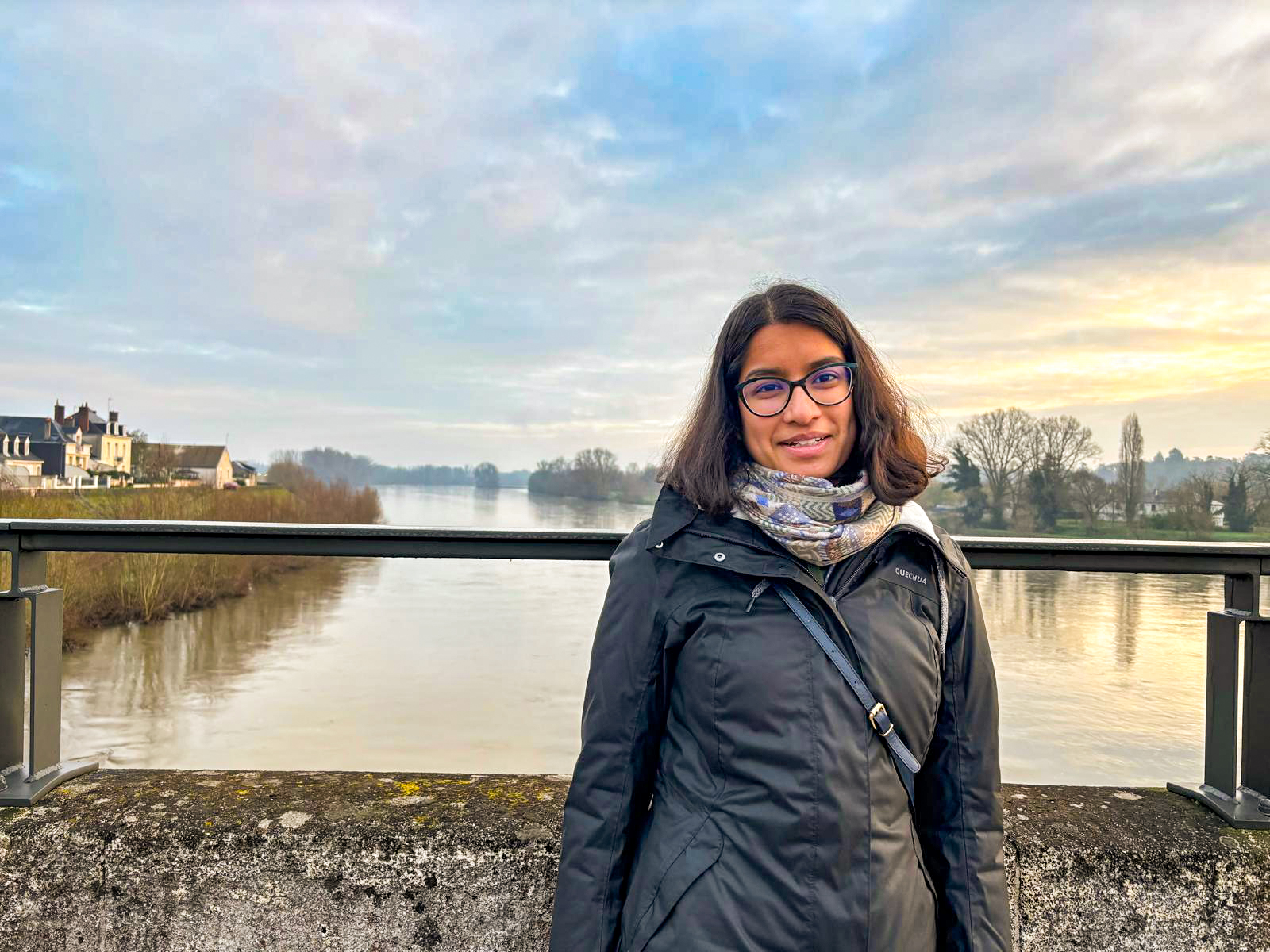
Shruti Debburman ’26 will continue her studies in France through the Fulbright U.S. Student Program, the U.S. government’s flagship international educational exchange program, which provides opportunities for graduate study, research and English teaching abroad.
K has been recognized as a Top Producing Institution for Fulbright U.S. Students in six of the past seven years. Graduating seniors apply through their educational institutions, while alumni apply through their institutions or as at-large candidates.
Debburman is especially excited to return to France after spending six months studying abroad in Clermont-Ferrand during her junior year. At Université Paris 8, she will examine relationships between mysticism and creative expression in late medieval France. After completing her Fulbright, Debburman plans to pursue a Master of Divinity degree at Yale Divinity School and the Institute of Sacred Music.
“Specifically, I’ll be looking at how mystical theology and Marian devotional practices were reflected in art, music and literature at the time,” Debburman said. “My goal is to use what I learn to contribute to scholarship on medieval French religion and culture through an article and some sort of digital humanities platform. I’d also like to learn to play some of the music that I study to give a lecture-recital once I return.”
Sydloski and Chun both received offers for fellowships in Germany and Austria. Both ultimately chose Austria, noting the allure of the big city of Vienna.
“I am from a more rural community here in Michigan, and the opportunity to live in a large city where I can meet people from all over the world was something that I could not turn down,” Sydloski said. “My biggest goal is to continue to improve my German and learn the different dialects of the German language.”
Chun noted the personal growth opportunity he has in Vienna.
“I want to take classes at the university, travel as much as I can, and experience as much of what is out there as possible,” he said.
Akerley will be teaching English at an agricultural school in Upper Austria.
“I hope to learn more about the nuances of the school system and improve my understanding of the Austrian dialect,” she said. “I also look forward to exploring the more rural parts of Austria that I haven’t been able to during my brief visits before.”
Stevison noted she spent nearly all of her time on study abroad as a junior in Western Europe. This time, she hopes to explore Eastern Europe.
“I would feel accomplished if I made it as much of a cultural exchange as possible instead of merely a one-way flow of information,” she said. “I’m helping mostly teenagers, so I’m sure there is a lot more that they can teach me about. On top of that, I hope to immerse myself in various other cultures through traveling.”
K faculty are also represented among this year’s Fulbright recipients. Associate Professor of History Rochelle Rojas received a Fulbright U.S. Scholar Award to Costa Rica to work on her manuscript project, titled Science, Healing, and Ways of Knowing in Premodern Costa Rica.
Rojas will draw from archaeological records, including the petrospheres of the Diquís Delta, museum collections and colonial archives to offer the first comprehensive history of science and medicine in the region from the precolonial era through the independence era. She will be among about 380 U.S. citizens selected to teach, conduct research or provide expertise in about 120 countries. Recipients are chosen based on academic and professional achievement, service and demonstrated leadership.
Mary Muenzenmaier ’26
Elizabeth Muenzenmaier ’26
TAPIF Honorees
In addition to Fulbright honorees, three recent graduates earned teaching assistantships through TAPIF. Eleanor Bernas ’26, Karis Mulcahy ’26 and Lauren Stallman ’26 will join about 1,200 Americans selected by the French government for the program.
Bernas, for example, will serve in the Clermont-Ferrand region. She said the experience is an opportunity to give back after benefiting from French teaching assistants during her time at K.
“I hope to embody the way these assistants were engaging and welcoming, allowing me to make mistakes without judgment as they taught me more about French culture,” Bernas said.
TAPIF, a joint initiative of the French Ministry of Education and France Éducation International, places native English speakers in French public schools to teach English, improve their language skills and experience French culture. Participants typically lead conversation groups and assist classroom teachers for about 12 hours each week over seven months while receiving a stipend and access to public health care. Contracts may be renewed up to three times. After completing the program, many teaching assistants pursue international careers in education, business, public health, policy and development, and arts and culture administration.
For all 10 recipients, the coming year represents a chance to engage the world not just as observers, but as contributors. Whether researching Costa Rican science, exploring medieval mysticism in Parisian archives or helping Austrian and French students build English skills, they carry forward the curiosity and cross-cultural fluency that K has long fostered.
For generations of Kalamazoo College students, Professor Emeritus Ahmed Hussen was more than a teacher of economics. His titles and honors tell part of the story: longtime chair of the department, founder of the College’s environmental studies concentration, inaugural Edward and Virginia Van Dalson Endowed Professor of Economics, and recipient of the Florence J. Lucasse Lectureship for Excellence in Teaching, K’s highest teaching honor. But what students remember is what the titles alone can’t capture: a professor who challenged them intellectually while earning their admiration through his generosity, mentorship, and genuine interest in their success.
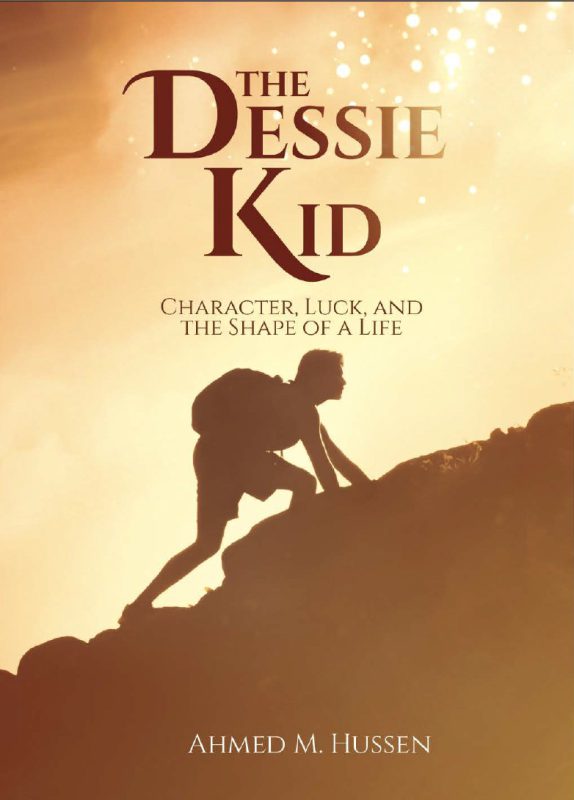
Now, in The Dessie Kid, Hussen traces his path from his childhood in Dessie, Ethiopia, through an academic career that spanned continents, including a year as a visiting scholar at Waseda University in Japan, two semesters at Africa University in Zimbabwe, and a Fulbright year at the University of Botswana. The memoir offers a deeply personal reflection on resilience, gratitude, family, and the people who shaped his life. We spoke with Hussen about what inspired him to write the book, what it was like to revisit decades of memories, and what he hopes readers, especially those in the K community, will take away from his story.
What inspired you to write this memoir at this point in your life?
I felt compelled to write this memoir to understand how a boy from an unlikely corner of Ethiopia—the first in his family to attend public school, at a time when secular education was still in its infancy, and raised by uneducated parents—found his way to a life in academia in the United States. Coming from a Muslim household, I faced even greater odds; public schools were often viewed with suspicion, perceived as not entirely secular and influenced by Christian teaching. Reaching this stage of life made reflection feel not only natural but necessary—a chance to look back with honesty and gratitude.
Although my story echoes familiar immigrant narratives, I did not write it to celebrate personal achievement. If anything, I wanted to challenge the idea of the “self-made” life. My journey has been shaped by luck, serendipity, and the generosity of people—and institutions—who appeared at exactly the right moments. Writing this book allowed me to honor them and acknowledge that I did not walk this path alone.
I wrote it for my family, who deserve to know the forces that shaped our story, and for the many individuals and institutions—teachers, mentors, schools, colleagues, friends, students—whose kindness and support changed the course of my life. In telling it, I hoped to understand not only what happened but also what sustained me: resilience, discipline, and the quiet mystery of how opportunity and human generosity can change a life.
Looking back across your life, were there themes or surprises you didn’t fully recognize until you began writing?
When I began writing this book, my intention was modest: to reflect on a few major turning points in my life. Halfway through, I realized I was writing an autobiography—a chronological account of my life’s journey. The book became both a narrative of events and a reflection on the lessons each stage offered. The anecdotes that appear throughout were not planned; they emerged naturally as I wrote, revealing a voice I had not fully recognized as my own.
Another surprise was that the chapters about my 34 years at Kalamazoo College became an informal history of the institution from 1985 to 2019. While I verified many of the factual details, I am aware that others may remember events differently.
What I did not anticipate was that writing would reveal deeper patterns—how often adversity redirected my path, how profoundly my life was shaped by the communities I belonged to, and how intertwined my personal and professional identities have always been.
Your years at K were a significant part of your professional life. How did your experiences shape the person reflected in this memoir?
My experience at Kalamazoo College shaped me in more ways than I can capture in a single answer. A few examples illustrate this:
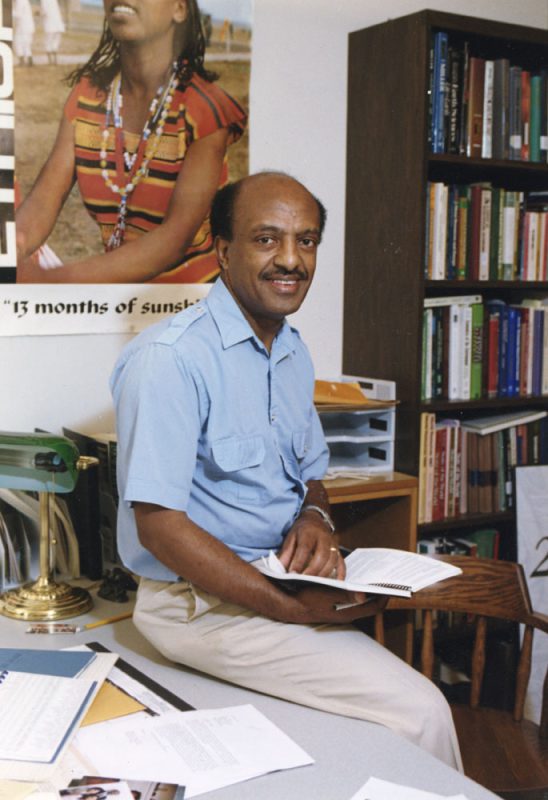
Hussen in his office in 1999.
Book Cover for “The Dessie Kid.”
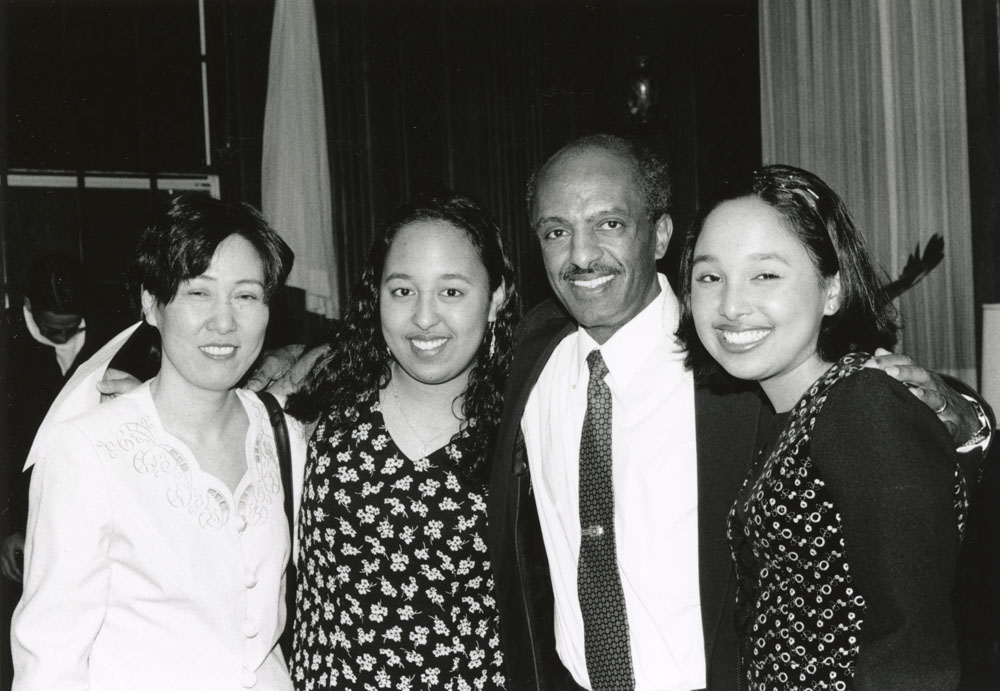
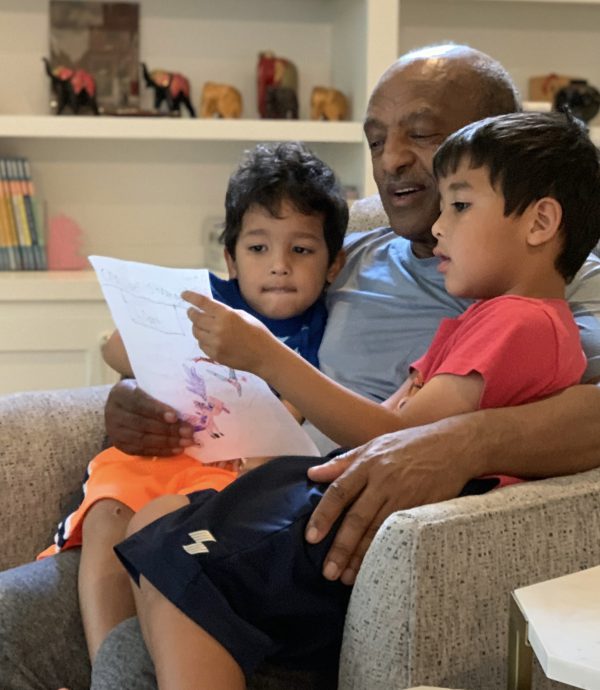
Ahmed Hussen with his grandchildren.
K was the first institution where I felt fully accepted, supported, and appreciated for who I was and for what I contributed. The collegial environment sustained me from my first year through the day I retired, giving me a sense of belonging that shaped my confidence as a teacher and scholar.
The students at K—curious, well-prepared and generous with their feedback—kept my passion for teaching alive. Their seriousness about learning pushed me to grow, and their kindness often lifted me more than they realized.
K offered me opportunities to develop as a leader, to engage in transformative international teaching and scholarship, and to participate in interdisciplinary work that ultimately led to my environmental economics textbook. These experiences broadened my intellectual horizons and helped shape the educator I became.
Looking back, I realize that K did more than shape my career; it deepened my commitment to students and gave me a professional home where my values and work could fully align.
As you reflect on your years at K, were there particular students, colleagues, or moments that stayed with you?
It is difficult for me to single out individuals, but certain students and moments have stayed with me. I was especially moved by students who arrived unsure of themselves and gradually discovered their abilities. Watching them grow in confidence and competence over their four years at K was one of the most rewarding aspects of my career. Their progress reminded me why teaching mattered so deeply to me.
I was also fortunate to work in a collegial culture that, in many ways, defined the institution’s character. Many colleagues played important roles in my development as a teacher and scholar, and I express my gratitude to them in the book. Of course, there were moments when I encountered attitudes that did not align with my values, but even those experiences taught me about leadership, humility, and the kind of colleague I aspired to be.
One of the most significant and impactful transformations I witnessed was K’s evolution from a predominantly white, Eurocentric institution to a more diverse and inclusive community. To live through that change—and to contribute to it in my own way—remains one of the defining experiences of my time at the college.
These students, colleagues, and moments taught me patience, resilience, and the profound privilege of being part of a community that was continually learning to become better.
How did your relationships with students influence your thinking—not only as a professor but as a person?
Throughout my teaching career, I was fortunate to build relationships with students grounded in trust, respect, and genuine care. Over time, I came to understand that these relationships shaped not only my approach to teaching but also my understanding of myself. They taught me that character—the quiet consistency of how one shows up—is the foundation of any meaningful teacher-student bond.
I was never known as an easy grader, yet students accepted my high expectations because they trusted my intentions. They believed I wanted them to grow, not merely to perform. Through them, I learned that challenge, when offered with clarity and goodwill, is not a burden but a gift. Their willingness to meet that challenge reshaped my thinking and affirmed that rigor and compassion are not opposites but partners.
As a person, I found these relationships humbling. They reminded me that influence is earned, not assumed; that young people respond not to authority but to authenticity; and that learning is most powerful when shared. Nothing has been more rewarding than hearing from former students who later recognized the value of being pushed, supported, and believed in. Their reflections taught me that the impact of teaching often reveals itself long after the classroom lights are off.
In this way, my students shaped my thinking as deeply as I shaped theirs. They made me a more patient teacher, a more attentive listener, and, I hope, a better human being.
Did writing about your own experience change the way you think about your career or the impact you have had?
Writing about my experience did not fundamentally change how I think about my career, but it sharpened and clarified what I had long sensed. My entry into teaching was never planned. I became a teacher almost by accident, despite having been trained exclusively as a researcher with strong empirical skills and no formal preparation for the classroom. Yet within two years of teaching at Allegheny College, where I taught before coming to K, I realized that what had begun as a career experiment had revealed my true calling. Nothing since has made me imagine a life outside teaching.
Revisiting these early years helped me see more clearly how I learned to reconcile two commitments I once feared were incompatible: the demands of full-time teaching at a small liberal arts college and the scholarly work that fed my intellectual curiosity. I had assumed one would inevitably crowd out the other. Instead, I discovered that teaching and research could inform and strengthen each other, though doing so required imagination and a willingness to shape my scholarly agenda around the rhythms of the classroom.
What the memoir distilled for me was the coherence of that journey. One of the accomplishments I value most is finding a way to build a career in which my teaching and scholarly lives were not competing forces but mutually sustaining. Writing the memoir helped me see that this alignment was not accidental at all, but a steady and shaping force throughout my professional life.
After spending so much time looking back, what lessons or perspectives feel most important to share with the next generation of students and faculty?
Looking back, the lesson I most want to share with students is simple: never underestimate the power of a liberal arts education. It prepares you not only for a career but also for a lifetime of learning, adaptation, and curiosity. I have found nothing more reliable for navigating an uncertain future. This does not diminish the value of vocational preparation; during my 17 years as department chair, I worked to integrate business courses into a liberal arts framework. It is challenging but deeply worthwhile.
To my faculty colleagues, I offer a reminder shaped by both history and experience. K has always been a resilient institution. Over its long history, it has weathered repeated cycles of financial strain—patterns driven by forces larger than the college itself. I witnessed this over my 34 years at K, and I write about it in my book. Through every downturn, the college has held fast to its core mission: a high‑quality liberal arts education.
We are again in a difficult moment, one shared by many small liberal arts colleges, especially as the very idea of liberal arts education faces public skepticism. Yet I have no doubt that K will endure this period as it has others and will ultimately emerge stronger. My advice to faculty and staff is steady and sincere: do not lose hope in K.
At the same time, looking ahead requires honesty about challenges that are not simply financial. My experience taught me that a collegial environment is vulnerable to slippage, and it’s something I hope the community will continue to guard against. Collegiality is not a luxury; it is the quiet foundation that allows a liberal arts institution to thrive.
I am also mindful of a deeper, more existential challenge: the rapid introduction of AI into learning and teaching. When the internet became widespread at the dawn of the 21st century, I worried about what it meant for a teacher who preferred chalk and blackboard. But the scale of today’s transformation is different. AI has the potential to fundamentally alter how knowledge is acquired and transmitted—an unknown, unfamiliar, and largely untested field. It is not a threat in the budgetary sense, but in the intellectual and pedagogical sense. My hope is that K will approach this moment with both caution and imagination, preserving the human core of education even as new tools reshape its landscape.
What has your latest chapter of life looked like since retiring?
Since retiring, my life has taken on a different but deeply meaningful direction—caring for my grandchildren, continuing my lifelong learning, and traveling when time allows, accompanied by my lifelong partner. I also devote a good deal of time to caring for my aging body through regular physical exercise, which has become an essential part of my daily routine.
How long did this project take, and where can readers find a copy of The Dessie Kid?
It was a long journey. Although the project spanned nearly six years, most of the writing happened over the past two. The book was never intended for commercial purposes. That is why I chose to self-publish through Palmetto Publishing, which allowed me to retain full copyright ownership while producing a professionally edited, high-quality book, and to manage distribution myself. These decisions were not cheaper or easier—quite the opposite. However, they gave me complete control over the process, from content to final production.
I believe the result is a substantive, thoughtfully crafted book, produced with care and intention. For those who wish to read it, the book can be ordered directly from the website created exclusively for its distribution: dessiekid.com.
For my colleagues and former students, if a signed copy would add a personal touch to your reading, I would be glad to provide one. You may contact me at ahmed@dessiekid.com. Lux Esto!
Kalamazoo College has awarded tenure and promotion to Daniela Arias-Rotondo and Manfa Sanogo, recognizing years of their excellence in teaching, scholarly achievements and service to the institution while affirming their long-term roles as leaders in the College community.
Daniela Arias-Rotondo
Arias-Rotondo, the Roger F. and Harriet G. Varney Endowed Chair in Natural Science, teaches courses including Introductory Chemistry, Inorganic Chemistry, and Molecular Structure and Reactivity at K.
Her research focuses on molecules that convert light energy into electricity with broad implications for renewable energy. In 2024, Arias-Rotondo received an American Chemical Society Petroleum Research Fund grant for her lab’s exploration of photoredox catalysis, a project which explored new uses for petroleum byproducts through these reactions. Her collaboration with Maxwell Rhames ’25 on alternative metals for more affordable solar panels earned an honorable mention in the 2024 Division of Inorganic Chemistry Award for Undergraduate Research, which recognizes research that students and faculty perform in tandem.
This academic year, working under Arias-Rotondo’s guidance, Will Tocco ’26 was one of just six undergraduates nationwide selected from more than 1,400 nominees to present at the ACS Presidential Symposium in Atlanta.
Tocco and Rhames are two of 36 students who have worked in Arias-Rotondo’s lab in her years at K. Tocco and Rhames both were also among the students who benefited from a $250,000 grant she received in 2023 from the National Science Foundation’s Early-Career Academic Pathways in the Mathematical and Physical Sciences (LEAPS-MPS) program, which has provided funding for about eight to 10 student researchers per term.
Arias-Rotondo was recognized by the College in 2025 with the First-Year Advocate Award. She holds a bachelor’s degree from the Universidad de Buenos Aires in Argentina and a Ph.D. from Michigan State University.
Daniela Arias-Rotondo
Manfa Sanogo
Sanogo joined K as an assistant professor in 2020, bringing experience as a teaching assistant, lecturer and research fellow at the University of Wisconsin-Milwaukee, Sorbonne Universités and École Normale Supérieure in Paris, and Florida State University.
Sanogo has recently taught courses at K such as Beginning French, Intermediate French, French Conversation and Composition, Indian Ocean Literature and Culture, and Afro-Perspectives. He earned a Chateaubriand Fellowship from the French Embassy in the U.S. in 2018 for a project highlighting how Madagascar’s Indigenous literature has shaped innovation in French-language literature while aiming to foster greater scholarly interest in the Indian Ocean as an important literary center. In 2022, he completed a Government of Ireland Postdoctoral Fellowship at University College of Dublin.
He has also been among the conveners of Africa Month events at the College over the last two years. The series brings world-renowned scholars, artists, filmmakers and performers from four continents to Kalamazoo for lectures, art exhibits, community conversations, meals and joyful music.
Sanogo holds a Ph.D. from Florida State University.
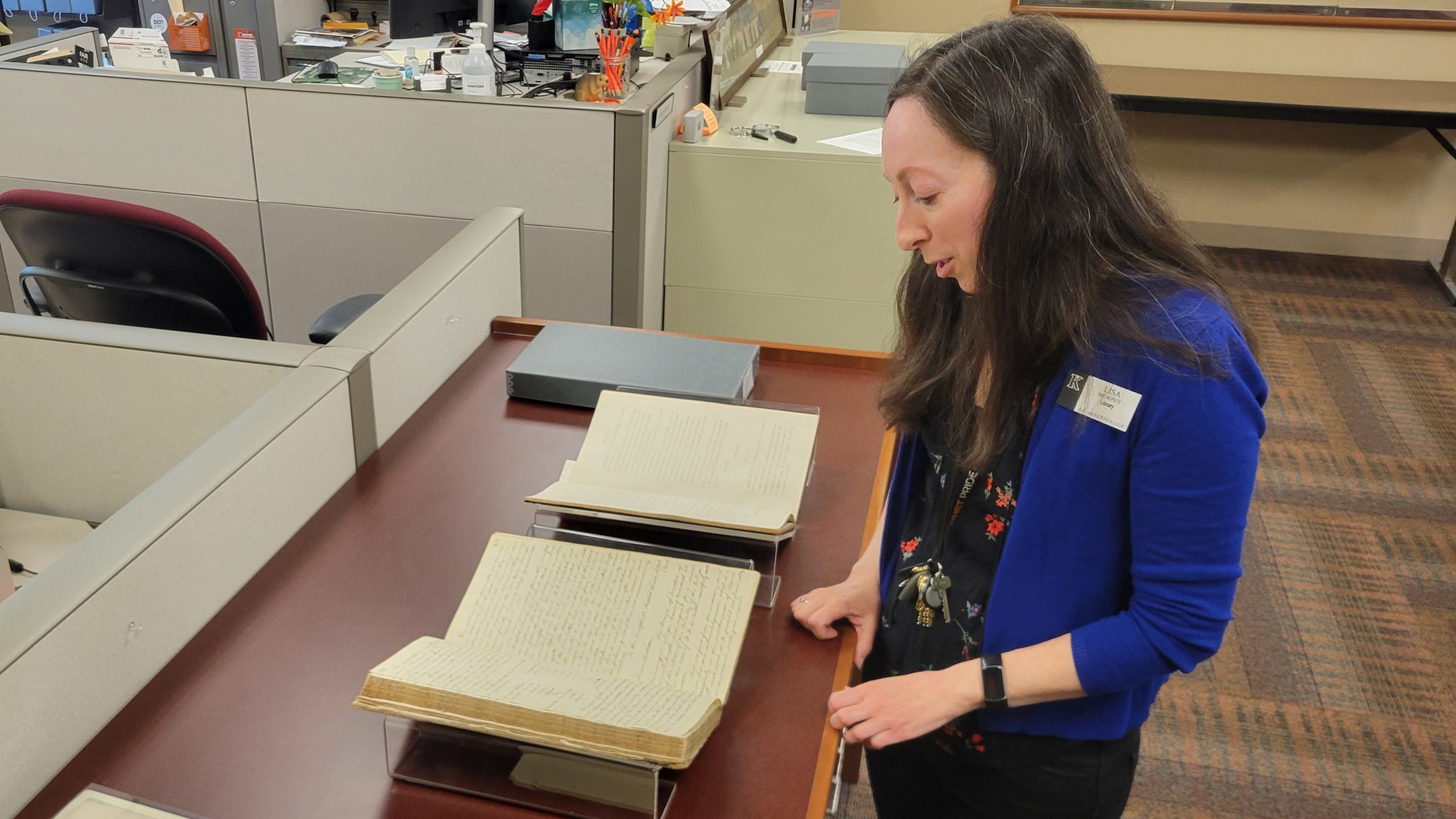
Archivist Lisa Murphy ’98 reviews some of the materials she gave students for Novels and Podcasts, a class that incorporated the Charles Dickens classic “Bleak House.”
Blindfolded professors dumped in a cornfield. A campus scandal that landed in The New York Times. And a 19th-century Charles Dickens novel with more in common with true crime podcasts than most people would guess. Welcome to Novels and Podcasts, a distinctive new English course at Kalamazoo College.
The winter course, led by Professor of English Ryan Fong, drew students from across disciplines into a conversation about how serial storytelling works and why it still resonates today. At the center of the syllabus sat Dickens’ Bleak House, an 1852–53 masterwork about an inheritance lawsuit, tangled secrets and systemic injustices in Victorian England. Students compared it with groundbreaking true-crime podcasts such as Serial, which has captivated millions with its own drip-feed of suspense, scandal and revelation.
The parallels, it turns out, were hard to ignore.
“Most of Dickens’ novels were written in serialized installments over many months,” Fong said. “In this class, I wanted to explore the continuities between that form of storytelling—when it became popular in the 19th century—and how it shows up today in podcasting, where stories unfold incrementally over time.”
For their final project, students in the course didn’t write papers—they made podcasts. Working in groups, they designed five-episode series using materials from the College Archives before recording episodes in the library’s audio lab. Students used documents, old editions of the Index student newspaper, historical faculty meeting minutes and photographs curated by College Archivist Lisa Murphy ’98 to inform their storytelling. Reference Librarian Kelly Frost also helped students deepen their research through specialized library guides, and Elena Pulliam in the Rare Book Room showed students two serialized versions of works by Dickens: Bleak House and Little Dorrit.
Those archival discoveries became the backbone of their storytelling. The students’ explorations ranged widely across K’s history, but a couple of groups zeroed in on a notorious 1890 campus kidnapping prank so outrageous that it landed in national headlines. Students transformed the episode into serialized audio narratives, echoing the same suspense techniques they studied in Dickens and modern podcasts.
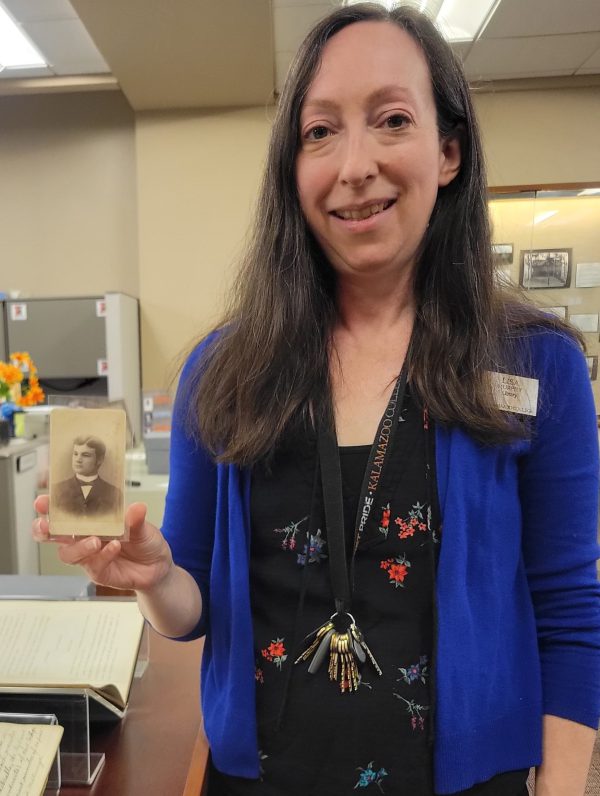
Murphy holds the portrait of William Des Autels.
“The story was that two professors stopped by Upper Hall, which was the men’s dorm,” Murphy said. “They had been invited to the birthday party of student William Des Autels, and when the two professors showed up, a bunch of students burst in, loosely bound their hands, blindfolded them and marched them up past Monroe Street to a cornfield.”
Students at the time testified to trustees that the young professors, who were close to the students’ ages, knew it was a prank and that the situation got blown out of proportion.
“The controversy became more about the punishment, the reaction and the bad publicity for the College,” Murphy said. “William Des Autels, who later became a Baptist minister, was expelled and there were several suspensions.”
Several years later, the College and its faculty board awarded a degree to Des Autels because he had been so close to graduating at the point of his expulsion. But today’s students were attracted to the unusual circumstances.
“It’s fun telling the college’s stories, because a lot of students don’t know about the archives or about the College’s history,” Murphy said. “Watching them have fun and seeing their disbelief, especially at this kidnapping story, was exciting.”
Other students explored different historical narratives. Sarah Guerrero Gorostieta ’28 produced a podcast examining former College President James Stone and his wife, Lucinda Hinsdale Stone, an early feminist advocate for coeducation. In the 1860s, both faced backlash from conservative Baptist leaders and students resistant to progressive ideas, ultimately leading to their departure from the College.
The research inspired Guerrero and helped her feel a deeper connection to Lucinda, the College and K’s history.
“That was only possible because of the deep archival research we had to do,” she said. “This class was extremely valuable to my journalism aspirations because we were given the tools to create a passion project that bridged relevant local history to contemporary questions and conversations.”
She added that the course changed her perspective on literature, making it one of her favorite classes at K so far.
“I never thought I would become as enthralled with Dickens’ work the way I did, but Bleak House, and the themes we explored through the book, helped me understand why pre-20th century literature is worth studying,” she said.
Behind the scenes, teaching assistant James Hauke ’26 kept podcasting operations running. Hauke guided students through the recording process, from the first-time in the studio to final edits, and came away impressed with the course and the students.
“I appreciate that every Dr. Fong class is a conversation, where there are no lectures and 20 people or so are talking to each other,” Hauke said. “Everyone speaks. There’s never one person who’s raising their hand and taking all the questions. Everyone is a part of it, and I think that’s why he loves podcasts so much. They’re just conversations. I’d say the conversations are why Dr. Fong is a great professor.”
From Dickens’ serialized mysteries to student-produced podcasts, the course showed that great storytelling, whether in print or audio, still unfolds one episode at a time. Fong said he will offer the class again, in part because it also showcased campus resources that students might have repeatedly overlooked. Now, they have used those resources to investigate the history of student life and culture, conduct independent research, and evaluate the information they found.
“It was exciting to see students go into the archives and realize the richness of materials there,” he said. “It was equally exciting to see them use the audio lab and develop skills that are going to be increasingly important in the future. Watching students connect literature, history, research and creativity in this way was incredible, especially as they collaborated and engaged with contemporary and historical issues.”
Professor of English Babli Sinha has received a fellowship administrative position sponsored by the Great Lakes Colleges Association as Kalamazoo College’s director of AI and education.
In this role, she will develop guidelines and policies for AI use in conjunction with K’s Gen AI Coordinating team and its Teaching and Learning Committee. Her responsibilities will include developing faculty resources to foster critical thinking about AI and pedagogy; creating opportunities for dialogue about AI technologies among faculty, staff and students; and gathering information about the promises and limitations of AI in various disciplines, divisions and departments.
The GLCA cohort of fellows including Sinha will meet regularly to foster their professional and leadership development while grounded in self-reflection and strategic self-awareness. Together, they will share their learning, successes and challenges on their project and administrative responsibilities with each other.
Sinha will serve through the 2026–27 and 2027–28 academic years.
Professor of English Babli Sinha has received a fellowship administrative position sponsored by the Great Lakes Colleges Association.
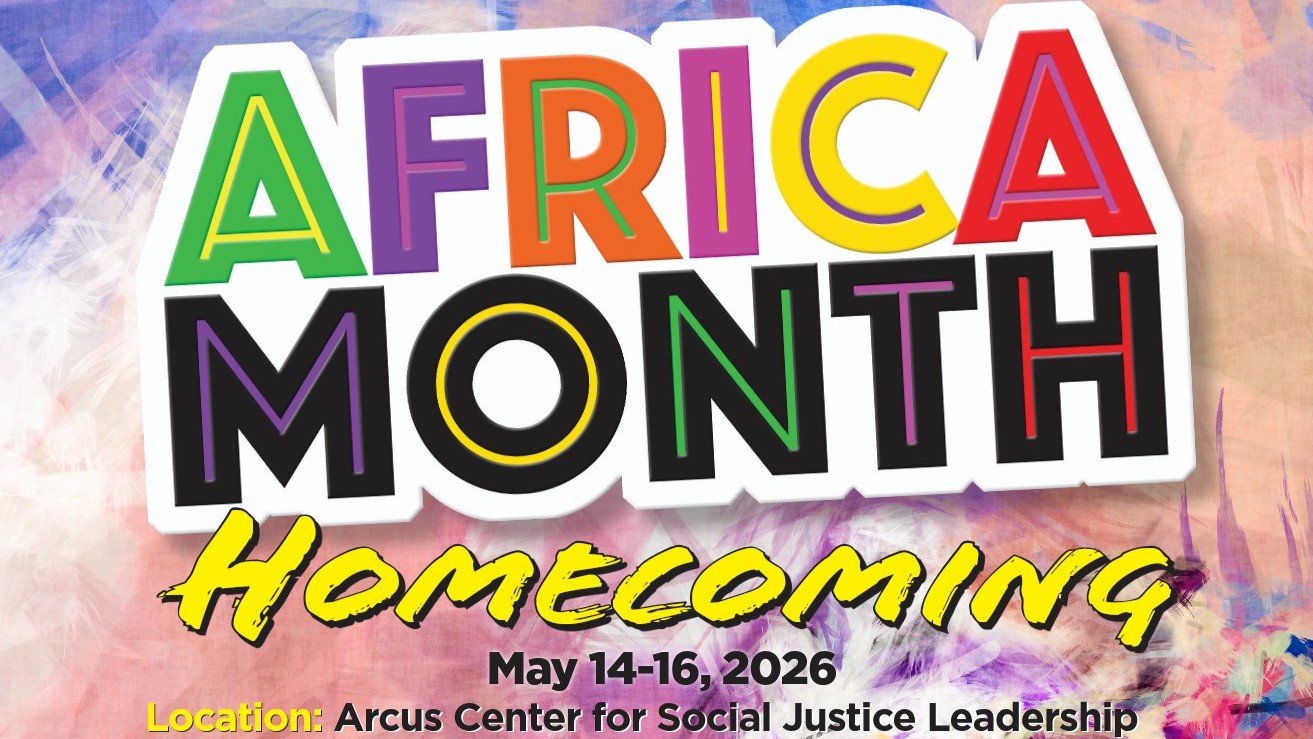
Africa Month: Homecoming will focus on the category of home and the mobilities that carry people to and from their homes, across land, time, memory and knowledge.
Kalamazoo College will host world-renowned scholars, artists, filmmakers and performers from four continents Thursday, May 14–Saturday, May 16, for its second annual Africa Month. The assemblage will provide a space of conviviality and community for conversations, meals and joyful music at the Arcus Center for Social Justice Leadership, 205 Monroe St.
Director of African Studies Dominique Somda, Assistant Professor of French Manfa Sanogo, Associate Professor of Anthropology Espelencia Baptiste and Professor of English Babli Sinha are the event’s convenors.
In 2025, the first edition of Africa Month helped K relaunch its African studies concentration while invited scholars and the community rethought and questioned their knowledge of Africa and from Africa. This year’s edition, themed Homecoming, turns its focus to the category of home and to the mobilities that carry people to and from their homes, across land, time, memory and knowledge. The event offers a space to think through African studies in its broadest sense, embracing Africans and the homes of African descendants alike.
“Home, in postcolonial thought, is never a stable or innocent place,” Somda said. “It is both a site of return and a terrain of struggle. Homecoming asks what it means to return when histories of colonial violence, displacement and extraction have profoundly transformed the conditions of belonging.”
Sinha said that the exploration of this theme will take place through a variety of media including art, film, scholarship and music, “reflecting the ethos of the liberal arts as it explores Africanness through many forms of knowledge and expression in dialogue with each other.”
Sanogo said the continuation of Africa Month helps establish a lasting tradition of K engagement and institutional commitment to centering African and diasporic voices, knowledge, culture and lived experiences.
“Calling it Homecoming highlights the importance of creating a space where these experiences can circulate across borders and generations,” he said. “We hope this program will resonate both on campus and in the broader Kalamazoo community.”
Presenters, speakers and panelists will include:
Cheikh A. Thiam, professor of English and Black studies, Amherst College
Sakiko Nakao, assistant professor of African history and French, University of Tokyo
Hilary Jones, director of graduate studies for history, University of Kentucky
Alain Kassanda, filmmaker
Julia Woods ’20, New York University Ph.D. candidate
Brian Klein and Justine Davis, Afro-American and African studies assistant professors, University of Michigan
Klara Boyer-Rossol, historian, Institut de Recherche pour le Développement
Franck Rakotobe, assistant professor of French at the American University of Paris
Erol Josué, a Vodou priest, performer and director general of Haiti’s National Bureau of Ethnology
Espelencia Baptiste, Kalamazoo College associate professor of anthropology
“This is a new annual rendezvous: a place to learn, think and celebrate in a world where Africa and Africans are too often seen only through the lens of lack,” Somda said. “The event of the year, Homecoming, speaks to experiences we all carry: mobility, nostalgia, the journey away and the journey back.”
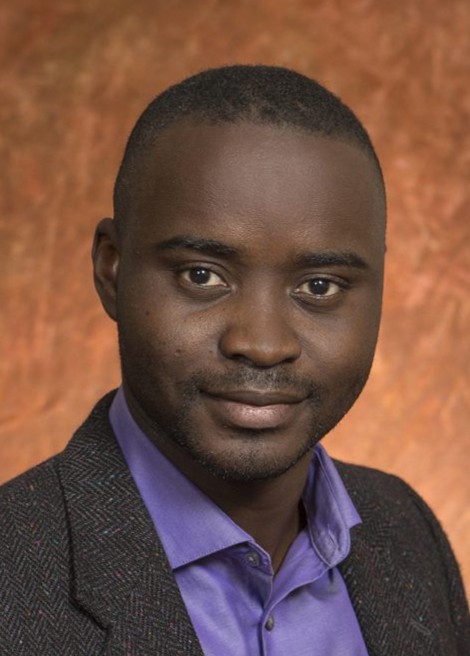
Cheikh Thiam
Sakiko Nakao
Alain Kassanda
Hilary Jones
Julia Woods ’20
Brian Ikaika Klein
Justine Maisha Davis
Klara Bover-Rossol
Franck Rakotobe
Erol Josué
Africa Month: Homecoming
“Homecoming, especially for Africans in the diaspora, asks us to think about homemaking by negotiating history, identity, power and mobility. It is a constant search for stability and meaning in spaces and places shaped by colonial disruptions and global economic inequalities.”
— Kalamazoo College Associate Professor of Anthropology Espelencia Baptiste