
When first-year students arrive at Kalamazoo College, many carry with them the same questions: Will I fit in? Will I find my people? Can I handle what college throws at me? For those who begin their college experience with K’s LandSea outdoor pre-orientation program, national data suggest the answers are increasingly “yes.”
According to the 2025 Outdoor Orientation Benchmarking Survey (TOOBS), LandSea continues to stand out among peer institutions nationwide for helping students build communication skills, perspective-taking and problem-solving. The survey ranked K’s program first nationally in several leader-trust metrics and in resilience, which measures students’ increased confidence in handling difficult situations after participating. Research shows these qualities help students persist academically and socially throughout their education.
For LandSea and Outdoor Programs Director Jory Horner, the results are affirming.
“It’s gratifying,” Horner said. “We put a lot of time and energy into this program, especially into leader training, and it’s nice to see that investment showing up in meaningful ways for both participants and leaders.”
Not Just for ‘Outdoor People’
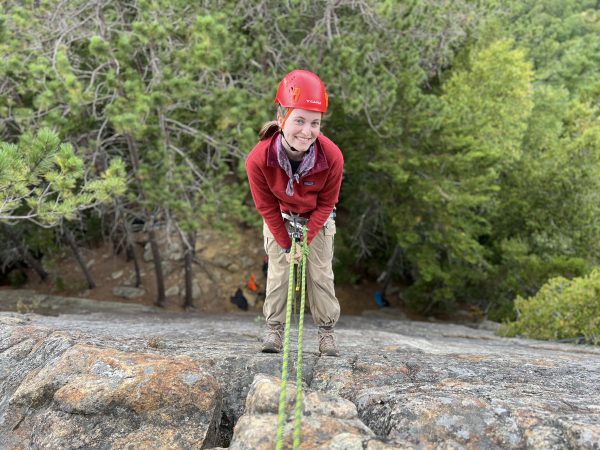
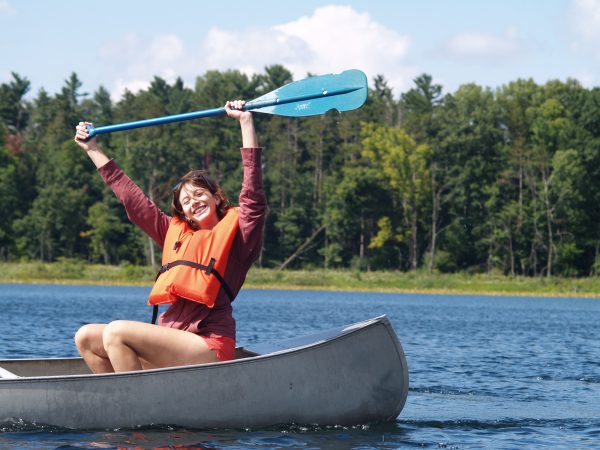
Held each year before first-year orientation, the optional LandSea pre-orientation program includes hiking, camping, paddling, rock climbing and nights under the stars. But Horner dispels the idea that the program is only for seasoned outdoor enthusiasts.
“Most of the students who come on LandSea aren’t outdoorsy people at all,” he said. “We have students who have never slept outside before.”
For some, the experience can feel intimidating at first. Yet that discomfort often becomes one of the program’s most powerful teaching tools.
“One of the things TOOBS measures is a student’s ability to face challenges after the trip,” Horner said. “That’s something we’ve scored highly on for many years.”
The numbers reflect what students themselves describe when they return to campus.
“We hear students say things like, ‘I just got back from LandSea, and I did more than I thought I could,’” Horner said. “They’ll say, ‘There’s no test that’s going to scare me now.’ That mindset carries over into academics and everything else.”
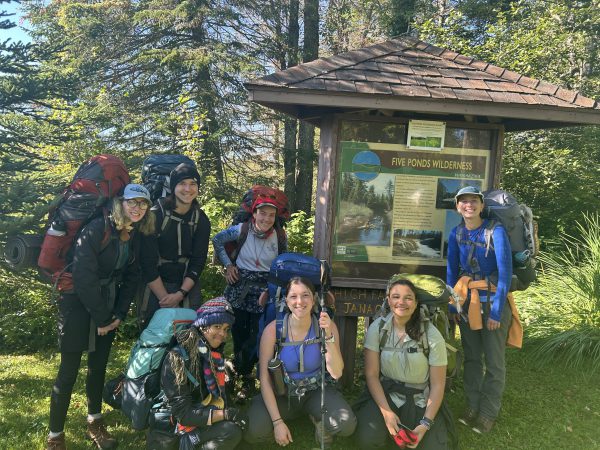
Participants live and travel in small groups, typically of eight to 10 students, working together for 18 days in the Adirondack Mountains. There’s also a shorter six-day option at Camp Merrie Woode in Kalamazoo for students who want more creature comforts. In both experiences, students cook meals together, navigate trails, problem-solve and manage daily challenges as a unit alongside people they have just met.
“You’re learning how to live closely with a small group, how to communicate and how to handle differences,” Horner said. “These are the same skills students need when they’re back on campus.”
Measuring What Matters—After the Dust Settles
TOOBS is sent to students at about 25 participating colleges each year, around six weeks into the fall term—after classes have begun, friendships have formed, and the realities of college life have set in. K has participated since about 2012, placing LandSea within an ongoing national conversation about how experiential education supports student transition.
The survey uses a “proxy pretest” approach, asking students to think back on how they perceived their skills, confidence, and perspectives before LandSea and then assess how those changed afterward. The method, developed and presented through research connected to the University of New Hampshire and scholar Brent J. Bell, aims to measure growth rather than surface-level enthusiasm.
“That timing is really important,” Horner said. “If you ask students about a program like this right when they finish it, they’re riding the high of the experience. TOOBS lets that afterglow wear off and asks them to reflect once they’ve had time to compare LandSea to everything else they’re experiencing at college.”
‘Finding My People’
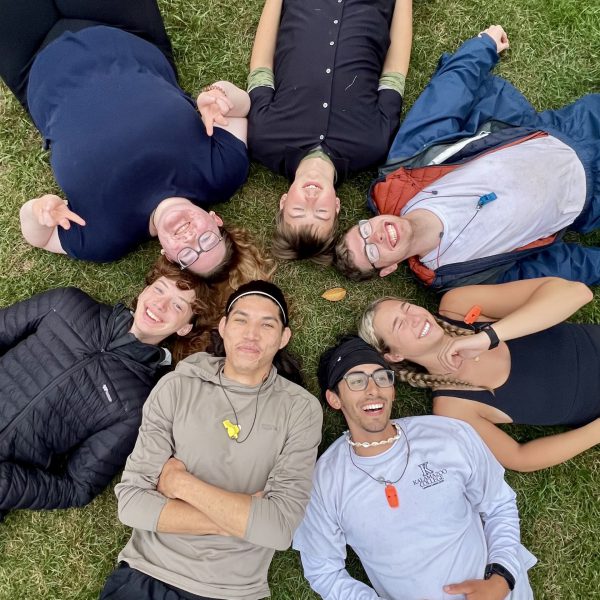
Research connected to TOOBS consistently shows that students’ biggest fear entering college is not academic rigor, but whether they will fit in and find a sense of belonging. By the time LandSea students arrive on campus for orientation, many already have a core group they recognize, trust and feel comfortable with during the first challenging weeks.
The outcomes measured by TOOBS align closely with internal data collected by K’s Office of Institutional Research. An analysis comparing LandSea participants and non-participants between 2012 and 2022 revealed consistently higher outcomes for those who completed the program. LandSea participants showed higher retention rates, greater persistence to graduation, and higher cumulative GPAs than their peers.
Support LandSea
Help LandSea continue to set the standard for pre-orientation excellence. Make a gift to ensure future students have a strong start to their K journey.
“For us, that’s really validating,” Horner said. “It confirms that the things we’re focusing on—belonging, trust, confidence—actually matter in measurable ways.”
LandSea Leaders Make it Possible
Although LandSea is designed for incoming students, Horner emphasizes that its success rests heavily on student leaders.
“They give an incredible amount of time,” he said. “They’re balancing classes, jobs and other commitments, and then they dedicate weeks to training in leadership, wilderness medicine and emergency response.”
Many leaders are drawn not by the outdoors, but by the chance to help others.
“The number one reason they give is, ‘I wanted to help ease the transition to K for the next incoming class,’” Horner said. “They take that responsibility seriously.”
And as LandSea continues to earn national recognition, Horner sees the results not as a conclusion but as affirmation.
“Our goal has always been to help students start college feeling capable, connected and supported,” he said. “Seeing those outcomes reflected in the data makes all of us really proud.”