
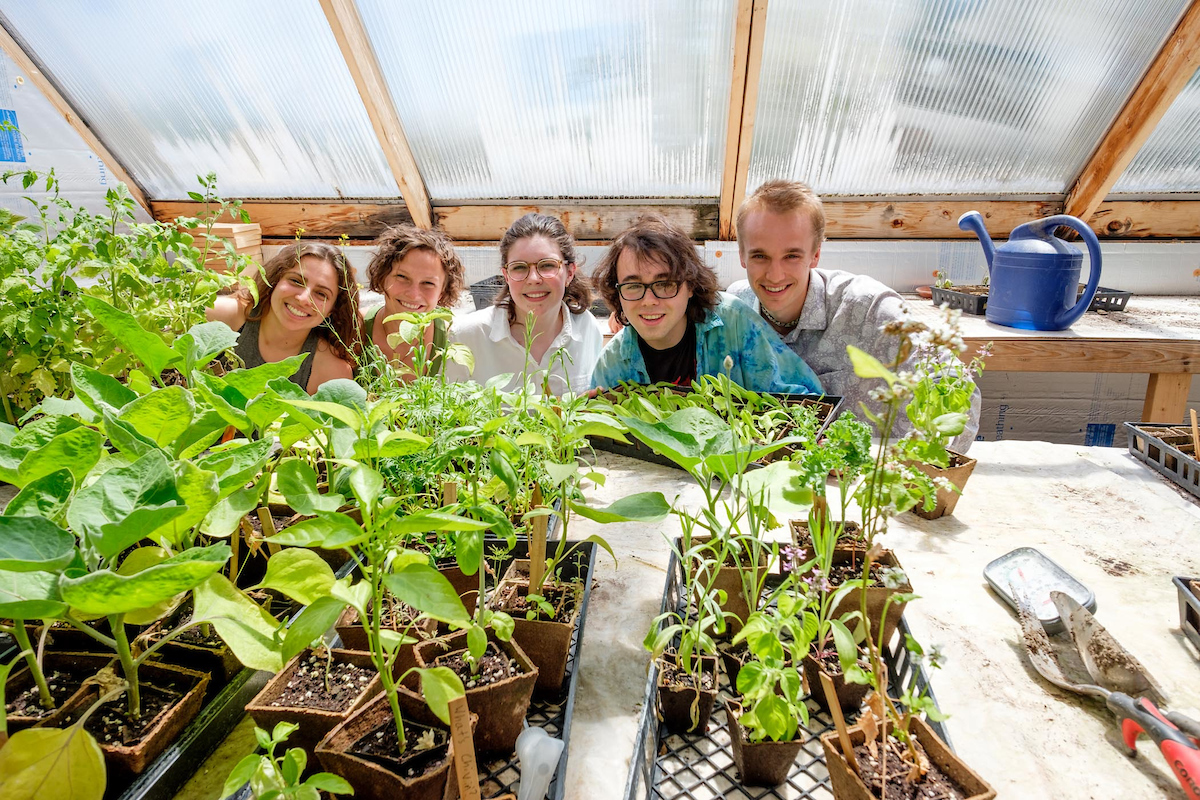
Why Learn Environmental Studies at K?
At K you will explore the relationship between nature and society and learn how to direct the future of global environmental stewardship through scientific research, community activism, and political change.
The department takes a comprehensive approach to environmental studies, acknowledging that environmental and resource problems are not just biological, geological, economic, or political issues. Instead, the concentration is designed to pool the knowledge of each discipline for a more holistic approach to learning so that you have the tools to assess, analyze, and evaluate the globe’s most pressing environmental problems.
You will learn these skills by taking a variety of courses in anthropology and sociology, political science, economics, art and art history, English, biology, history, philosophy, and, of course, environmental science. In natural science (e.g., Environmental Science), social science (e.g., Environmental and Resource Economics; and Nature and Society: Intro to Political Ecology), and art and humanity courses (e.g., Art and Environmental Justice; and World Indigenous Literatures) you will explore the ecological components of nature, the causes and consequences of natural or man-made disasters, and how to address future environmental challenges.
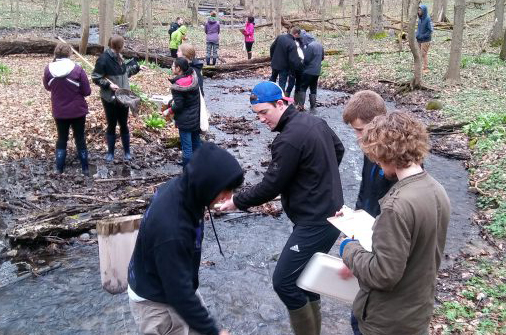
Integrating your concentration into your K-Plan, you are also encouraged to supplement your studies with experiential learning opportunities, such as campus sustainability work, maintaining the College’s growing spaces, and partnering with professors in their research. Many students even choose to complete their Senior Integrated Project in environmental studies, often using the College’s arboretum to ground their art, project, or research.
Additionally, you will have the opportunity to participate in an environmentally-minded study abroad program: explore the Galapagos Islands in Ecuador, learn about sustainable development in Cosa Rica, engage in community-centered conservation in Mexico, or travel across local agricultural communities in Thailand.
These experiences and lessons will prepare you for a wide range of environmental fields, with alumni having had successful careers in law, government, research, and education.
What can you do with an Environmental Studies concentration?
Below are some of the careers, employers, and graduate schools of our environmental studies alumni.
Careers
- Research Associate
- Veterinarian
- Data Analyst
- Attorney
- Policy Analyst
Employers
- U.S. Senate Committee on Agriculture, Nutrition, and Forestry
- Merck
- Environment Michigan
- The Michigan Agriculture Environmental Assurance Program
- Environmental Working Group
Graduate Schools
- University of Michigan
- Northwestern University
- The London School of Economics and Political Science
- University of Minnesota
- University of Nairobi
Program Spotlights
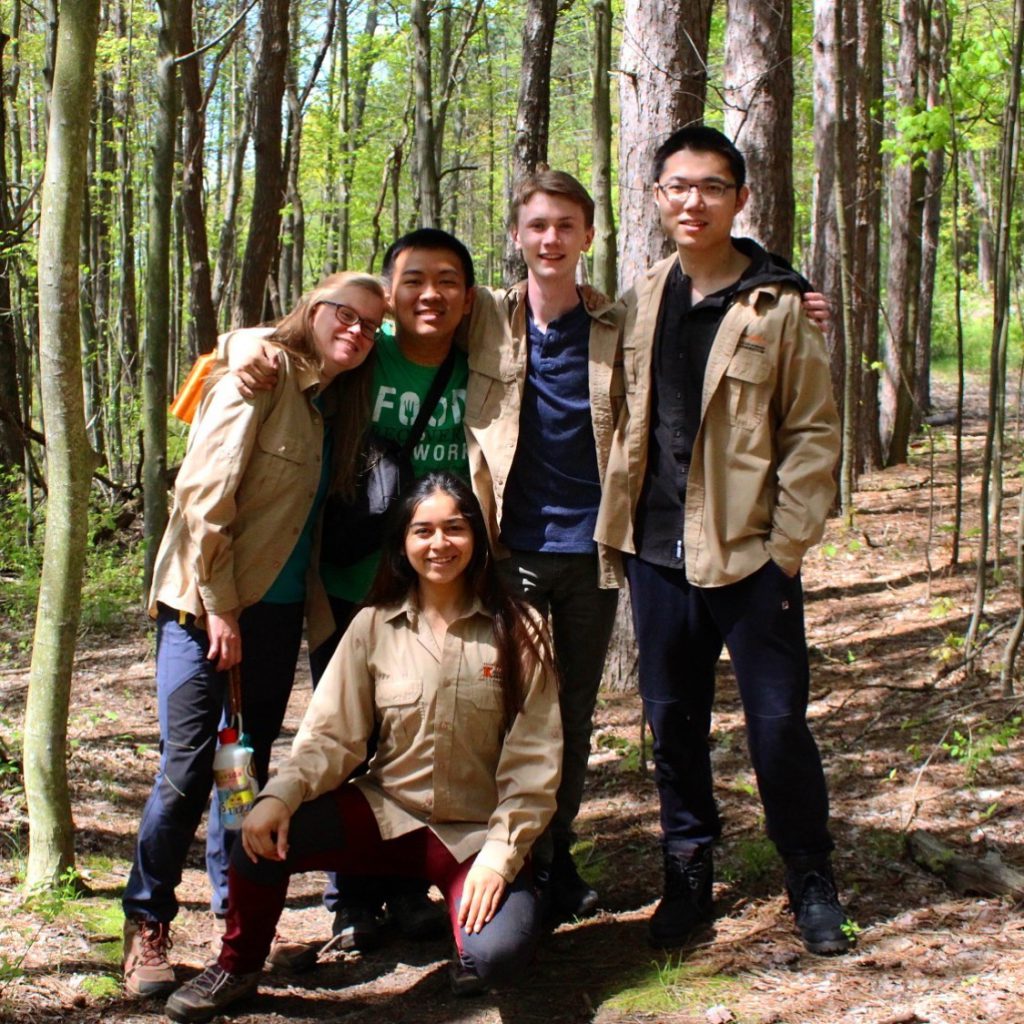
Connect, conserve, and learn from nature in the College’s arboretum
The College maintains and invites the community to visit the Lillian Anderson Arboretum, 140 acres of marsh, meadow, pine plantation, and second-growth deciduous forest. As a concentrator, you form a connection with this land as you use it as an outdoor classroom for hands-on learning, a place to practice environmental stewardship through student trail crew opportunities, and as a living laboratory in which to further environmental studies research.
Take your environmental studies across the globe
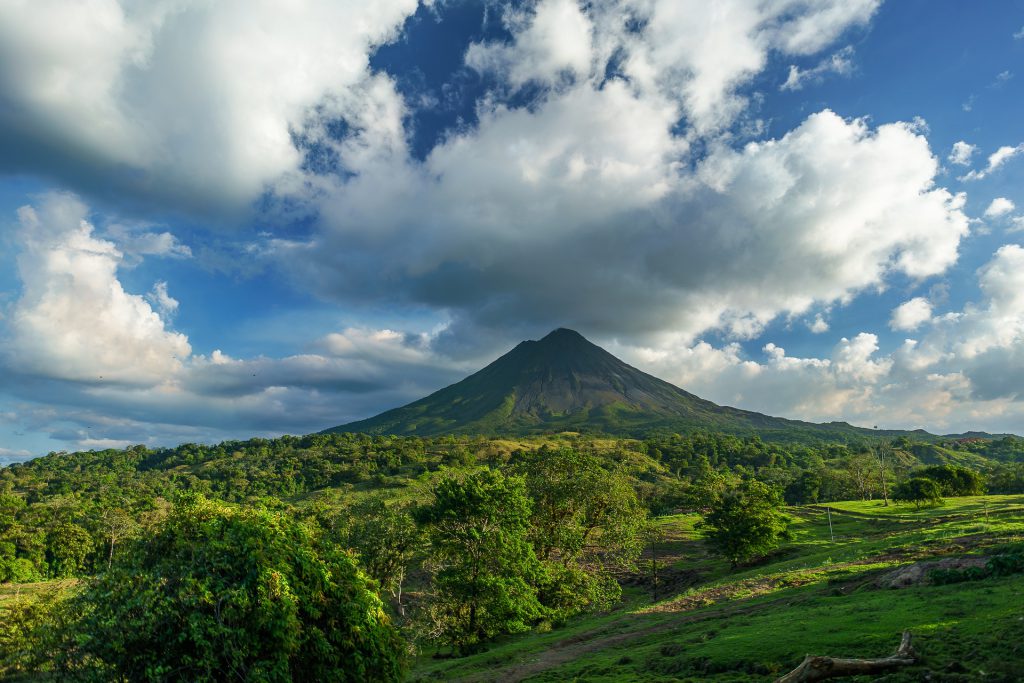
While you can choose from any of the College’s 50+ study abroad programs and transfer relevant classes, four programs offer unique experiences for environmental studies students: research ecology exactly as Darwin did in the Galapagos Islands in Ecuador; learn about sustainable development in San José, Costa Rica; participate in community-organized cultural and land-based preservation projects in Oaxaca, Mexico, or study and observe sustainable ecological development in Chiang Mai, Thailand.
Apply your studies in your Senior Integrated Project (SIP) and fellowships
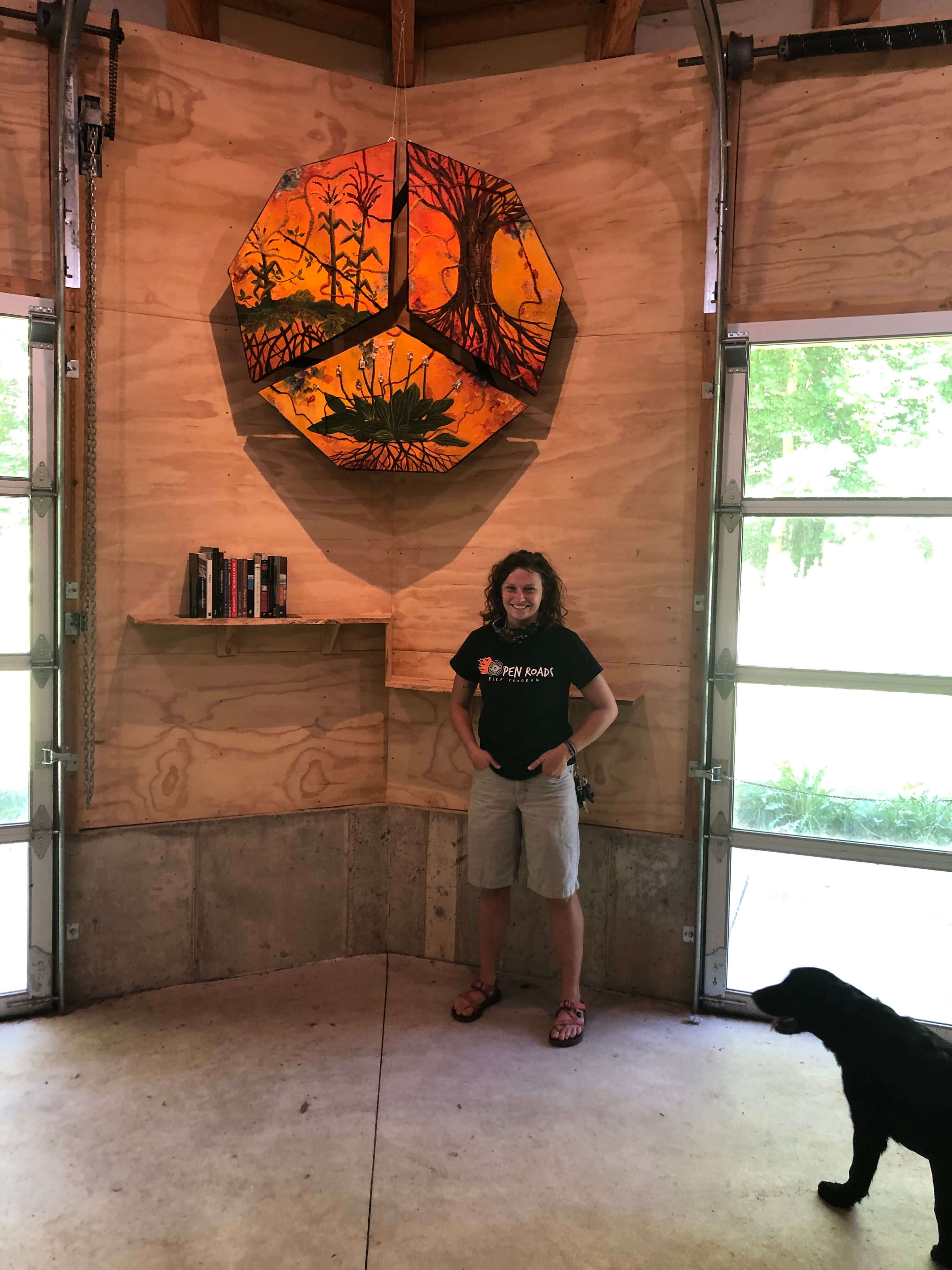
As a concentrator, you will engage in meaningful research and work through your SIP or Summer Environmental Stewardship Fellowship. Fellowships are a chance to get paid to work on stewardship and sustainability projects in our community; whereas your SIP is a capstone project where you can conduct research, reflect on nature, create art, or implement conservation projects. For example, Aidan Voss ‘20 explored the relationship between land and consumerism through art in her SIP, “Reciprocal Relationship Building as a Way of Resistance and Resiliency.”
Meet the Current Departmental Student Advisor
Elli Tiesworth
(She/her/hers)
Major: Anthropology & Sociology
Concentration: Environmental Studies
Study Abroad: Rome, Italy
Best Adjective to Describe You: Whimsical
What is the best thing about being part of this department?
Being a part of a diverse group of majors that all share a passion for the well-being of the planet.
What drew you to the department?
I have a deep passion for the environment and wanted to combine my sociology major with a specific focus on environmental justice. I was able to learn about the concentration through attending one of the Environmental Stewardship Center’s Sustainability Chats (open to all)!
What is your favorite thing about K?
The accessibility of study abroad and the freedom to explore your own interests.
How have you taken advantage of the flexible curriculum or experienced breadth in your education?
I was able to take classes in political science, art, and English, allowing me to add to my ANSO knowledge in unofficial ways. Both environmental studies and sociology can be applied to any topic, so I find it nice to jump around and still connect back to my main interests. Many classes even encouraged me to connect different subjects within my final paper.
What is your Senior Integrated Project (SIP)?
I will be researching a proposed ADA-accessible bathroom that would have been placed on my hometown beach in Frankfort. The community, however, felt as though the bathroom would diminish the aesthetic value of the view, leading to a pause in development. For my research, I will explore the themes employed by different individuals in opposition to the bathroom to gain a better understanding of belonging and the sometimes contradictory intersection of environmental and social justice.
What has been your favorite class at K?
I took Reading the World Environments: Gardens, and I loved it. I’m able to practice necessary writing and reading comprehension skills while enjoying well-written, interesting material. I’m also able to get hands-on experience in a real garden within the community, taking me out of the K Bubble.
What are your career aspirations/next steps after K?
I would like to find a career that works at the intersection of environmental and social justice, combining my two passions. Although I’m not currently sure how that will look, I hope to travel and gain more experience before deciding on pursuing a graduate degree.