
Why Study Classics at K?
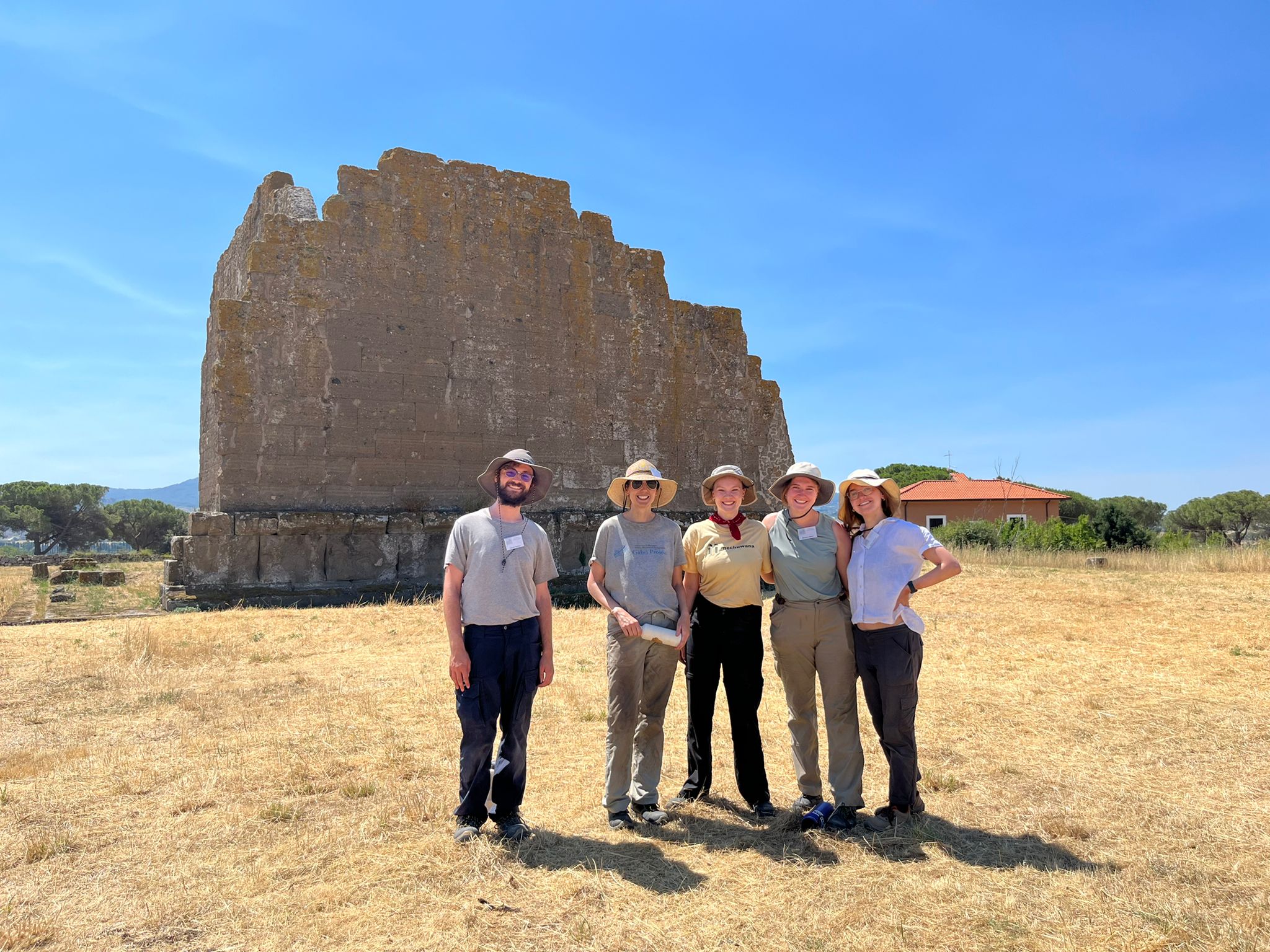
Learn about ancient civilizations in small classes and visit historical sites while studying abroad in Rome or Athens.
As a classics student, you’ll find opportunities to dig deep into ancient cultures, understanding the lives and experiences of ancient Greek and Roman people and learning how their interactions with other Mediterranean communities encouraged the exchange of ideas. By translating ancient texts, going on archaeological expeditions, and pursuing meaningful research in the field, you can become proficient in either Greek or Latin and have an in-depth knowledge of their empires’ histories in the Mediterranean world.
As a true liberal arts major, your courses—like Women in Classical Antiquity, Greco-Roman Slavery, and Latin Epic—will cover topics across disciplines: archaeology, art, history, religion, philosophy, and literature.
Supplementing your coursework, you will benefit from personalized faculty mentorship and experiential learning opportunities like study abroad, fieldwork and the completion of your Senior Integrated Project. To gain a first-hand appreciation for Roman and Greek civilizations, you will have the chance to study abroad in Rome or Athens and visit the landmarks you learned about in your courses. Your professors will also help you find relevant summer internships and archaeological fieldwork opportunities.
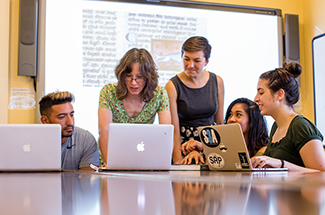
The knowledge and skills you will gain as a classics student will prepare you for a host of post-graduate opportunities, with alumni having had successful careers in education, business, law and ministry.
Choosing the Right Major or Minor
You can major or minor in either Greek and Roman Languages or Greek and Roman Cultures. Students intending to pursue the study of classical languages at the graduate level or who are interested in secondary school teaching, divinity school, or graduate work in a cognate area are encouraged to major in Greek and Roman Languages. Students who discover a passion for classical history or archaeology may be drawn to the major in Greek and Roman Cultures, which emphasizes work in translation, culture and history.
What can you do with a classics degree?
Below are some of the careers, employers, and graduate schools of our classics alumni.
Careers
- Teacher
- Attorney/Paralegal
- Communications/Human Resources
- Project Manager
- International Programs Coordinator
Employers
- National Gallery of Art
- PeaceCorps
- Kalamazoo Institute of Arts
- Reed College
- U.S. Department of State
Graduate Schools
- University of Michigan
- Brown University
- University of North Carolina at Chapel Hill
- American University
- Loyola University, Chicago
Program Spotlights
Apply your classics studies in the community
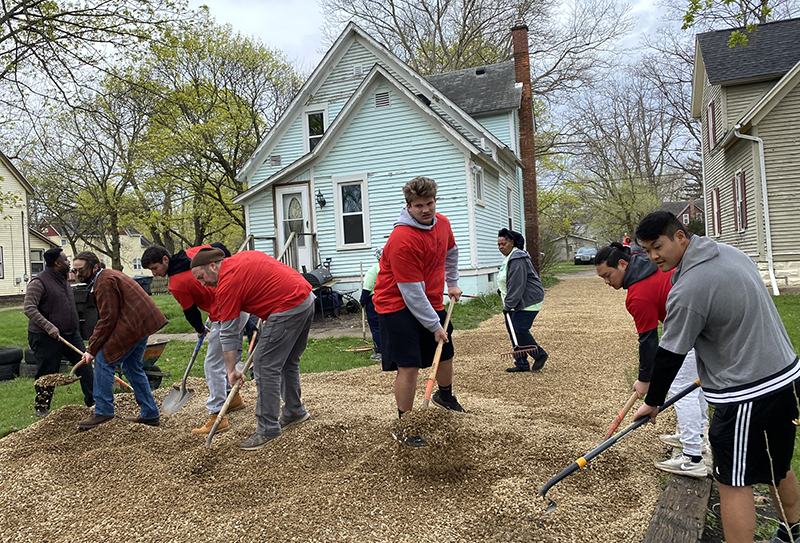
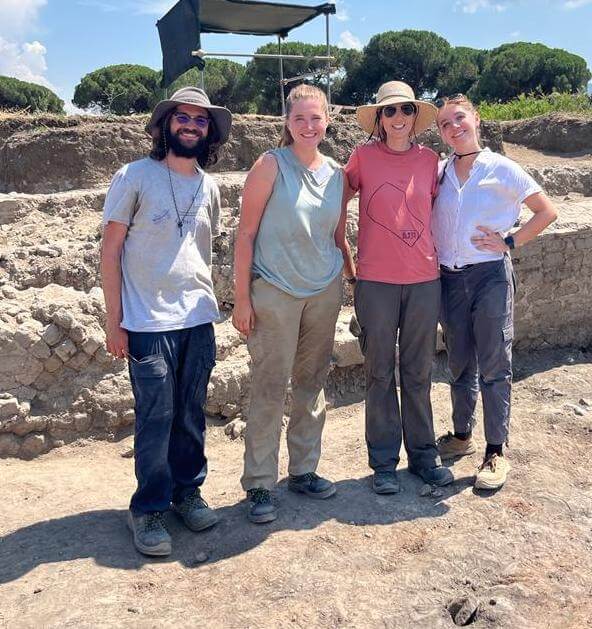
At K, we put your education into action by pairing your studies with real-world projects in the broader community. For example, in our Sustainability in the Ancient World class, you will connect the past with the present by working with the city of Kalamazoo on their Action Plan, researching how to most sustainably improve our community. Outside of your coursework, the department helps you find opportunities to gain hands-on experience through internships at museums and funded summer archeological digs and research abroad.
Study abroad in Italy or Greece
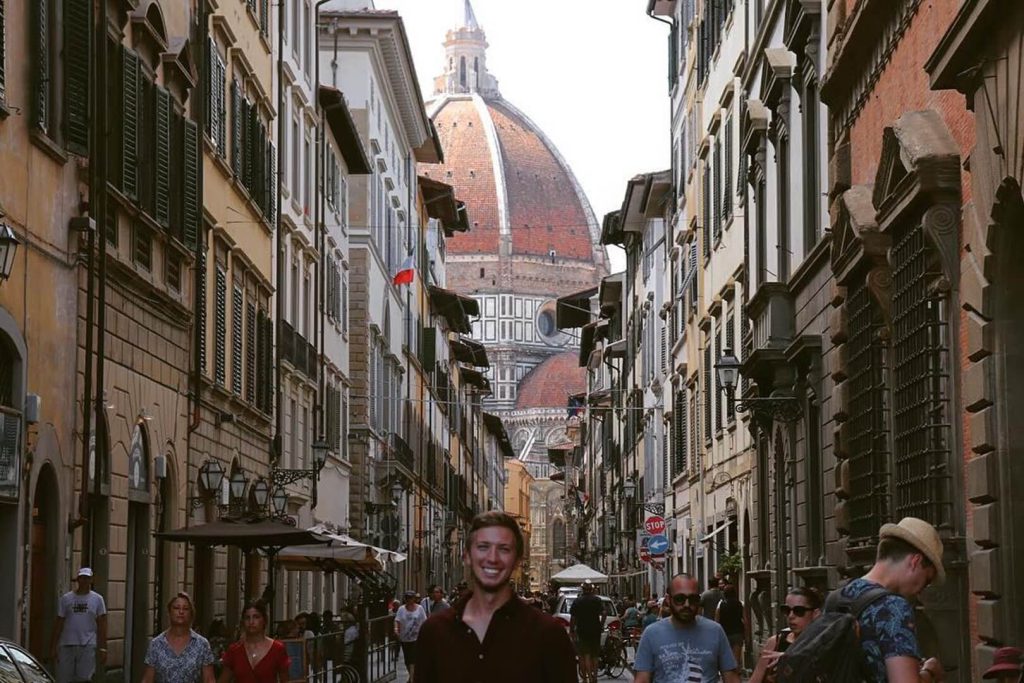
While you can choose from any of the College’s 50+ study abroad opportunities and transfer relevant credits, classics students have a unique opportunity to further their studies in our two programs in Rome, Italy, and one in Athens, Greece. In each of these programs, you will use your city as your classroom, taking courses and learning about these civilizations’ rich histories, languages, cultures and peoples on location at historical sites.
Graduate confident in your skills
All K students gain tangible skills for their future careers by completing their Senior Integrated Project (SIP). Many of our students have used this as an opportunity to expand upon previous internships, archeological digs, or courses with in-depth research and analysis. For example, Brenden French ‘20 spent two summers excavating an ancient Roman villa for his SIP on the Antonine Amphitheater; and Annabelle Houghton ‘20 conducted modern and archival research on oracles in Greek, Roman, and Egyptian mythology in her SIP, “A Hist-Oracle Connection Between the Sanctuaries of Zeus Naios and Zeus Ammon?”
Meet the Current Departmental Student Advisor
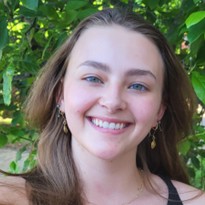
Aubrey Benson
(she/her)
Majors: Classical Civilizations and Political Science
Concentration: American Studies
Study Abroad: Athens, Greece
Best Adjective to Describe You: Dedicated
What is the best thing about being part of this department?
The best part about the Classics Department is that it is a community always willing to work together.
What drew you to the department?
I was drawn to the department because one of my first classes I took at K was a cross-listed course between Classics and Political Science titled Justice and Political Community: Classical Political Thought. This was a role-play course, where my classmates and I dressed up as Athenian Statesmen and pretended we were attending the Athenian Assembly. I really enjoyed the interactive nature of the course with the course material.
How have you taken advantage of the flexible curriculum or experienced breadth in your education?
I am so appreciative of the open curriculum here at K because it gave me the flexibility to change my major without question in my freshman year. I realized after my first Chemistry lecture and lab that the discipline was not for me. After that, I dove headfirst into Political Science and Classics, exploring those two departments and eventually declaring a double major. Additionally, the open curriculum allows me time to take other courses in different departments that interest me such as Religion and English.
What is your favorite thing about K?
My favorite thing about K are the students. We are all so different yet create such a strong-knit community of support and care. My peers are some of the most determined, strong, and incredible people I’ve ever met.
What is your Senior Integrated Project [SIP]?
My SIP is in the Political Science Department and is looking to explore the motivations behind rural conservatives political participation in the Onaway Area Community’s schools board in Onaway, MI, as well as what this means for the changing role of school boards in rural communities.
What are your career aspirations/next steps after K?
My long goal is to become an educator, a professor, at higher institution. I am currently undecided what my immediate next steps will be, but I am interested in attending law school and having a career in law before going into teaching.