
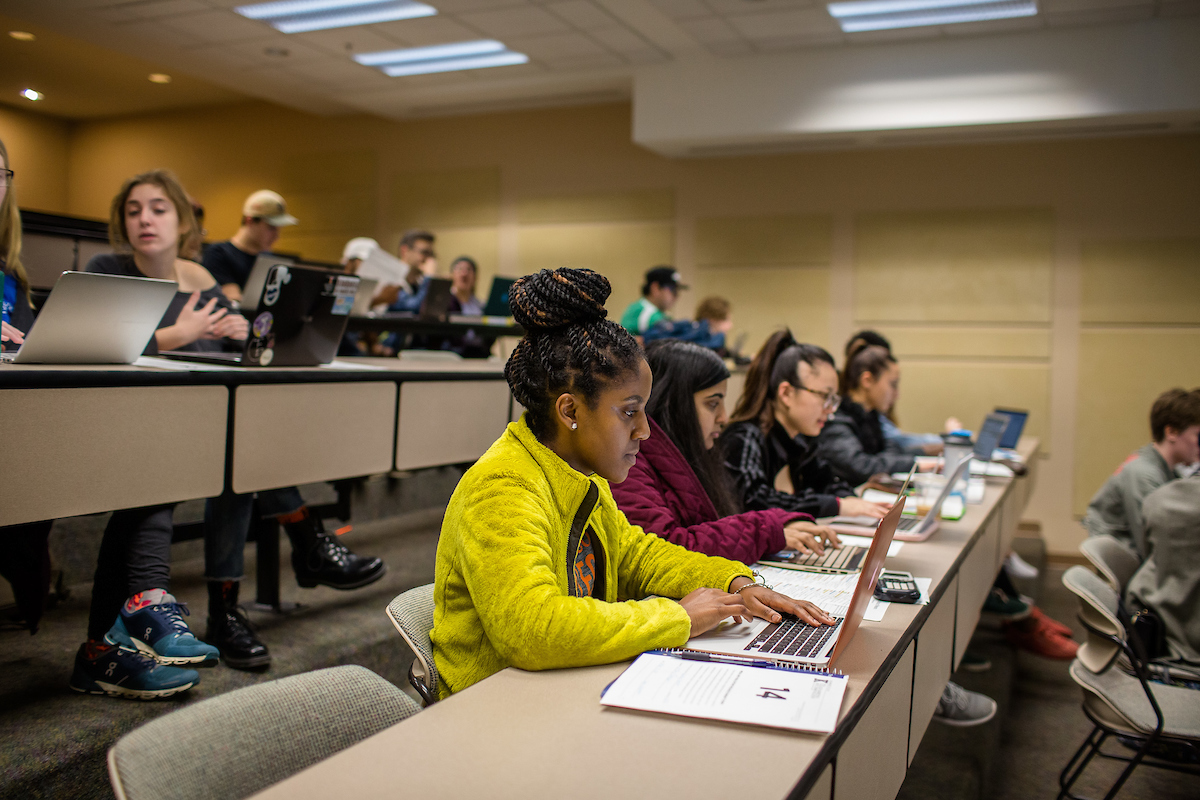
Why Study Mathematics at K?
Innovative instruction, experiential learning, and collaborative research enable math students at K to go above and beyond in their studies.

As a mathematics student, you will learn how to describe, analyze, and interpret phenomena in theory and real-world application. By strengthening your quantitative and abstract reasoning skills, you will develop a critical mind and an appreciation for the many ways math permeates into modern society.
During your four years with the department, you will take classes in calculus, quantitative reasoning (E.g., Discrete Mathematics), statistics (E.g., Applied Statistics), and programming (E.g., Automata, Formal Languages, and Computability), as well as courses that contextualize the history, application, and implications of mathematical findings (E.g., Getting to X: Math & Some of Its History).
Outside of the classroom, you are encouraged to participate in lectures, conferences, competitions, and research opportunities to supplement your coursework and expose you to post-graduation mathematics careers. Additionally, the department ensures that you are able to apply your knowledge in your own life through the completion of your Senior Integrated Project and structured reflections on your own experiences with mathematics.
The lessons you learn will prepare you for successful lifelong engagement with mathematics, whether through applied work in industry or government; research in mathematics, statistics, or one of the other mathematical sciences; teaching; or applying mathematics in the physical, computing or social sciences.
What can you do with a Mathematics degree?
Below are some of the careers, employers, and graduate schools of our mathematics alumni.
Careers
- Data Scientist
- Software Engineer
- Research Assistant
- Professor/Teacher
- Actuary
Employers
- PNC
- Federal Reserve Bank of New York
- Morgan Stanley
- The Kresge Foundation
Graduate Schools
- University of Michigan
- Michigan State University
- North Carolina State University
- University of California, Berkley
- Columbia University
Program Spotlights
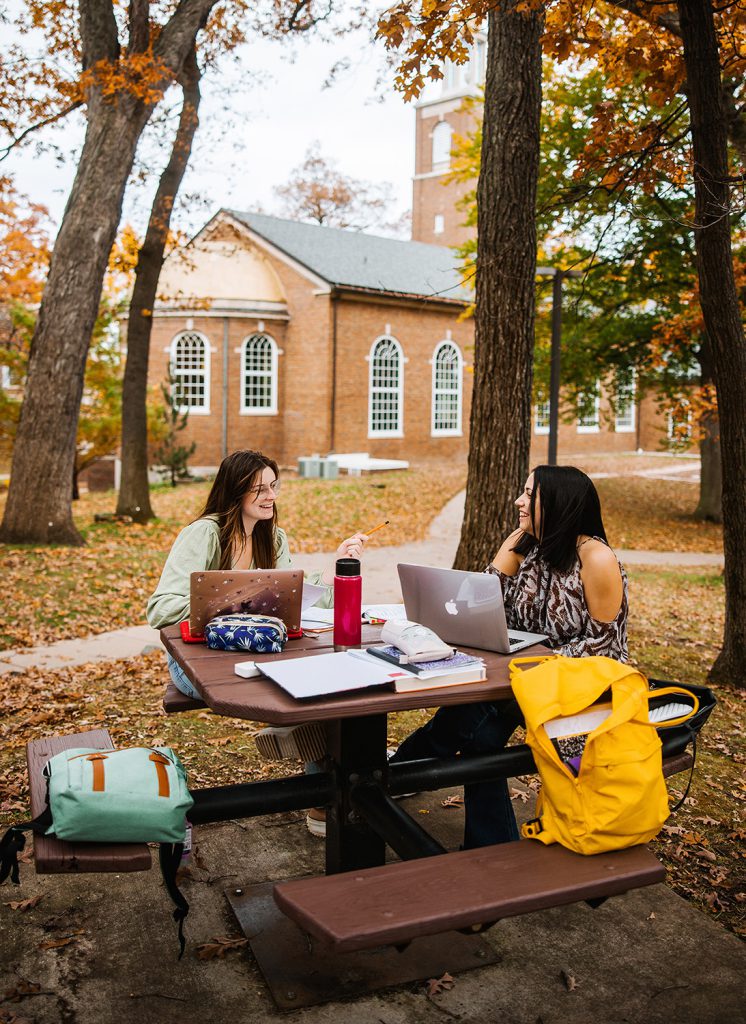
Join a community of mathematicians
At K, you are not alone in your learning as you will get to know your classmates and professors on a personal level. Outside of class, office hours, and advisor meetings, you will connect with your professors at the department’s weekly “tea time,” filled with conversation, snacks and community. Academically, our students support one another through tutoring at the Math Physics Center, peer support for underrepresented groups in STEM at Sukuma, and working together to solve complex problems and compete with other schools across the country in MathletiKs.
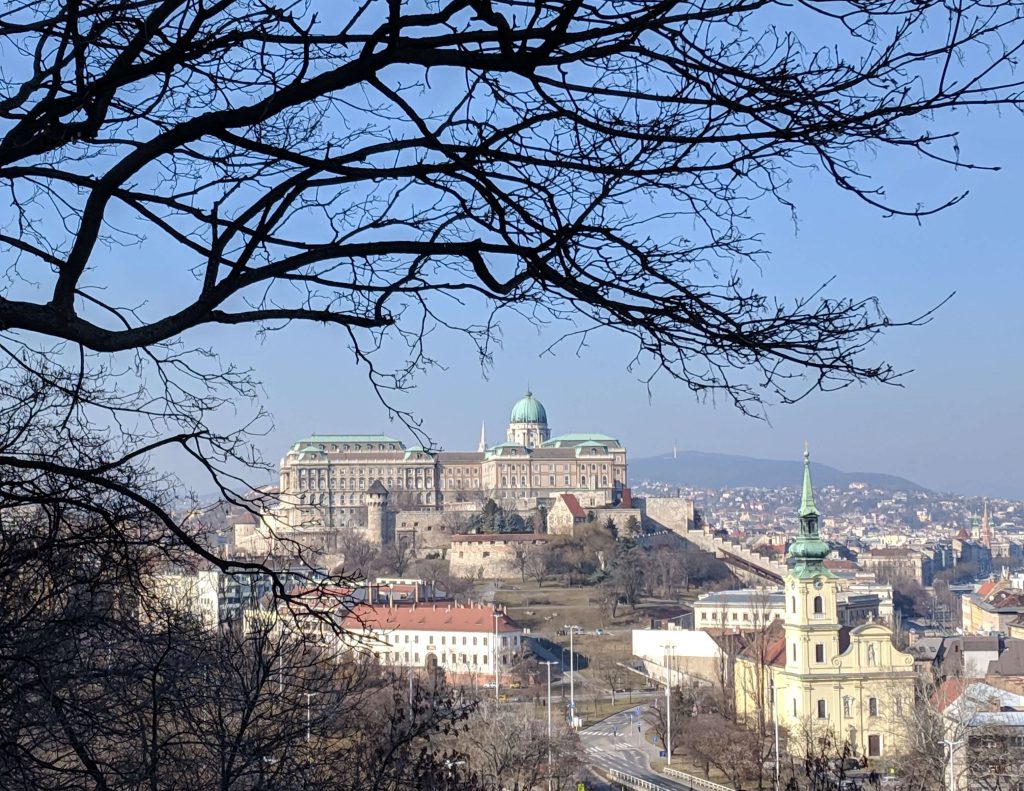
Study abroad in Budapest, Hungary
While you can choose from any of the College’s 50+ study abroad options and transfer any relevant classes, the Budapest Semester in Mathematics program offers a unique opportunity for our students. During your two terms in the capital of Hungary, you will take math, physics and computer science courses at Eötvös Loránd University, explore the city’s rich history and culture, and have the opportunity to travel across the region.
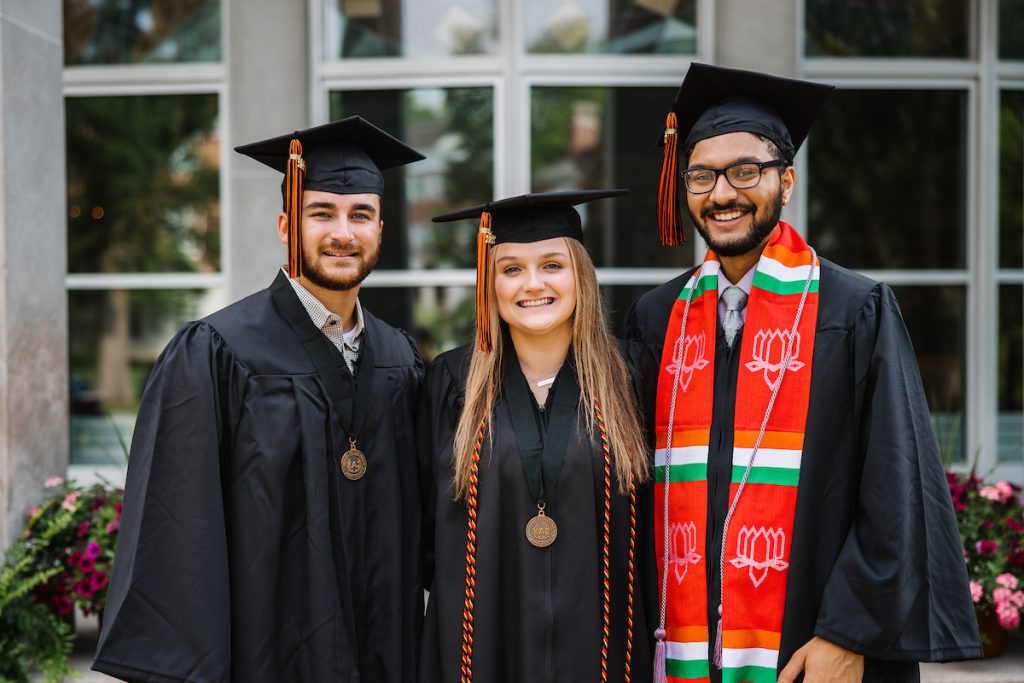
Graduate knowing you have the skills to thrive
All K students gain tangible skills for their future careers by completing their Senior Integrated Project (SIP). Many of our math students have used this as an opportunity to conduct independent research at K or another institution, complete a practical data analysis project, or participate in and reflect on an industry internship. For example, Ruth Butters ‘22 looked at how data science can be used to improve communities in her SIP, “The Data of Community Safety,” where she calculated and visualized county rates of homelessness, fatal police shootings, and Covid vaccinations in Michigan.
Meet the Current Departmental Student Advisor
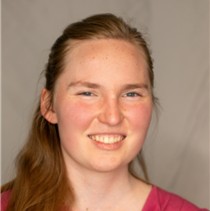
Ingrid Gardner
(she/her)
Majors: Mathematics and Physics
Minor: Spanish
Study Abroad: Cáceres, Spain
Best Adjective to Describe You: Spontaneous
What is the best thing about being part of this department?
We believe in collaboration. Actually. Genuinely. I have never felt alone here.
What is your biggest piece of advice to first-years and sophomores about getting connected to this department?
Come to the MPC. Seriously. Whether or not you have questions. The MPC is one of the most casual social spaces you can find, and you are welcome there. And don’t forget to come to teatime on Wednesdays, go to math talks, and stop by your professors’ office hours.
What drew you to the department?
I’ve loved math for a long time. Heck, I went to math summer camp as a kid. Voluntarily. But wasn’t sure I wanted to major in math until my first term at K, when I did a “STEM detox.” Humanities only for 10 weeks. It was a great term. I loved my classes. But I missed math. It’s just such a different way of thinking from other disciplines, deeply creative and a little mind-bending. Turns out I just can’t give it up.
What is your favorite thing about K?
I can be a double-STEM major and study in Spain for six months. I can write for the Index even when I’ve never been in a journalism class. I can chat with my professors one-on-one without fuss. At K, these opportunities aren’t just theoretical. They’re real, accessible, and open to you. And usually without fuss.
What is your Senior Integrated Project (SIP)?
I’m using my reporting background to take a stab at math journalism. This fall and winter, I’ll be diving deep into a complex math topic, researching it thoroughly, interviewing experts and writing all that up into an accessible, engaging article.
What are your career aspirations/next steps after K?
I’d love to launch a career in science journalism. The plan is a few fellowships for news organizations, but I’ll also be looking to get into industry and make use of my STEM degree.